
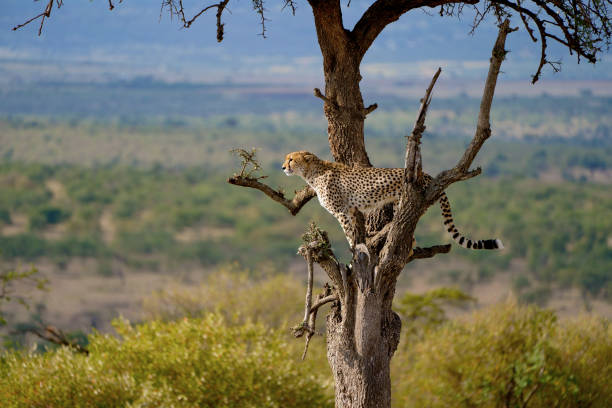
Planning a Kenya Safari on a Shoestring does not mean sacrificing wildlife encounters, dramatic landscapes, or unforgettable memories. With the right strategies, international travelers from the USA, Canada, UK, Europe, Australia, New Zealand, the Middle East, and Asia can experience the Big Five, Maasai culture, and pristine beaches without emptying their wallets. Cinematic Vacations specializes in crafting value-driven, tailor-made journeys that deliver cinematic moments on a realistic budget.
Table of Contents
- Introduction
- Why a Kenya Safari on a Shoestring Is Possible
- Secret 1: Travel During Shoulder and Low Seasons
- Secret 2: Choose Budget-Friendly Safari Destinations
- Secret 3: Opt for Shared or Small-Group Safaris
- Secret 4: Stay in Campsites and Mid-Range Lodges
- Secret 5: Eat Local and Manage Daily Expenses
- Secret 6: Combine Safari with Affordable Beach Time
- Secret 7: Partner with Experts for Value Packages
- Best Time to Visit for a Kenya Safari on a Shoestring
- Suggested Budget Itineraries
- Packing Guide and Travel Tips
- Frequently Asked Questions
- Book Your Kenya Safari on a Shoestring Today
Why a Kenya Safari on a Shoestring Is Possible
Many travelers assume African safaris require luxury-level spending. In reality, a well-planned Kenya Safari on a Shoestring can deliver excellent game viewing, professional guiding, and comfortable stays for a fraction of peak-season luxury rates. Park fees form a fixed base cost, yet accommodation, transport style, season, and park selection create significant savings. Official tourism resources confirm Kenya offers year-round wildlife viewing across diverse ecosystems.
Cinematic Vacations designs private and small-group experiences that balance comfort and cost, so you enjoy guided game drives, cultural encounters, and seamless logistics without unnecessary extras.
Image placeholder 1 (Hero)
ALT: Kenya Safari on a Shoestring with elephants against Mount Kilimanjaro
Suggested source: High-quality image from cinematicvacations.com Amboseli gallery or royalty-free equivalent showing elephants with Kilimanjaro backdrop.
Secret 1: Travel During Shoulder and Low Seasons
One of the most powerful secrets for a successful Kenya Safari on a Shoestring is timing. Peak season (July–October for the Great Migration and December–January holidays) drives lodge rates and park demand sharply higher. Shoulder periods—especially April–May (long rains) and November (short rains)—offer lower accommodation prices, fewer vehicles in parks, and still excellent wildlife viewing. Green landscapes after rains attract animals to open areas, and birdlife peaks.
Travelers who book a Kenya Safari on a Shoestring in these windows often save 30–50% on lodging while enjoying lush scenery. Always confirm current conditions with your operator, as some roads can become muddy.
Image placeholder 2
ALT: Lush green plains during Kenya Safari on a Shoestring shoulder season
Suggested: Maasai Mara or Amboseli green-season landscape.
Secret 2: Choose Budget-Friendly Safari Destinations
Not every park carries the same price tag. The Maasai Mara commands premium fees during migration, while parks such as Amboseli National Park, Tsavo West and East, Lake Nakuru, Samburu, and even Nairobi National Park deliver outstanding sightings at lower or flat daily rates. Amboseli is famous for large elephant herds with Mount Kilimanjaro views. Tsavo offers vast wilderness and the famous “red elephants.” Lake Nakuru provides reliable rhino and flamingo (when present) viewing in a compact park.
Linking these destinations creates an affordable multi-park Kenya Safari on a Shoestring. Explore our 6-Day Amboseli, Tsavo & Diani Beach Safari for a ready-made example that balances wildlife and value. For northern variety, consider the 8-Day Kenya Safari from Samburu to the Maasai Mara.
External authority: Learn more about Kenya’s protected areas at Magical Kenya.
Video embed 1
Watch this cinematic Kenya wildlife compilation for inspiration:
Kenyeah! – A Kenya Safari Cinematic Travel Video
Secret 3: Opt for Shared or Small-Group Safaris
Private vehicles offer flexibility, yet shared or small-group departures dramatically reduce per-person costs. Many operators run scheduled departures from Nairobi that include transport, guiding, park fees, and basic accommodation. Solo travelers and couples especially benefit. Self-drive is possible for experienced drivers with a suitable 4×4, though navigation, park rules, and security considerations apply.
Cinematic Vacations can arrange private 4×4 experiences or recommend high-quality shared options that maintain professional guiding standards. Activity highlight: Guided Game Drives remain the core of any Kenya Safari on a Shoestring and deliver the classic open-vehicle encounters with predators and herds.
Image placeholder 3
ALT: Shared safari vehicle on a Kenya Safari on a Shoestring game drive
Suggested: Open-sided Land Cruiser with travelers viewing wildlife.
Secret 4: Stay in Campsites and Mid-Range Lodges
Luxury tented camps and high-end lodges inflate budgets quickly. Public KWS campsites inside many parks cost a fraction of permanent camps and offer authentic starry-night experiences (bring or rent gear). Mid-range tented camps and lodges just outside park gates provide hot showers, meals, and early access for morning drives at far lower rates. Staying outside the reserve can also reduce conservancy or reserve fees in some areas.
For a Kenya Safari on a Shoestring, prioritize full-board options so food costs stay predictable. Cinematic Vacations selects comfortable, well-located properties that punch above their price point.
Image placeholder 4
ALT: Budget-friendly tented camp on Kenya Safari on a Shoestring
Suggested: Simple yet atmospheric safari tent under acacia trees at dusk.
Secret 5: Eat Local and Manage Daily Expenses
Park restaurants and lodge dining add up. Combine full-board packages with occasional local meals—nyama choma (grilled meat), ugali, sukuma wiki, and fresh fruit—from markets or simple eateries. Carry reusable water bottles (many camps provide refill stations), snacks, and a modest cash float for tips, souvenirs, and incidentals. Tipping remains customary: budget roughly $10–20 per person per day for guides and staff combined, depending on service level.
Smart daily expense control turns a good Kenya Safari on a Shoestring into a great one.
Secret 6: Combine Safari with Affordable Beach Time
After several days of game drives, Kenya’s Indian Ocean coast offers white-sand beaches at Diani, Watamu, or Mombasa that can be more affordable than continuous park stays. Road or domestic flight transfers connect the southern parks (Amboseli/Tsavo) efficiently to the coast. Beach days allow relaxation, snorkeling, and dhow cruises without the daily park-fee clock.
Our 6-Day Amboseli, Tsavo & Diani Beach Safari illustrates this classic bush-and-beach formula on a sensible budget. Explore Beach Relaxation & Resort Time and Dhow Sunset Cruises for coastal add-ons.
Video embed 2
Experience the transition from savannah to shore with coastal Kenya footage (search YouTube for high-quality Diani or Watamu cinematic clips from reputable travel channels).
Image placeholder 5
ALT: Diani Beach relaxation after Kenya Safari on a Shoestring
Suggested: Turquoise water, white sand, and palm trees at Diani.
Secret 7: Partner with Experts for Value Packages
The final secret of a successful Kenya Safari on a Shoestring is working with a specialist who already knows the cost levers. Fixed independent booking of parks, vehicles, guides, and lodges often costs more and creates logistical stress. Cinematic Vacations builds private and customized itineraries that optimize vehicle use, select value lodges, and include professional English-speaking (or multi-lingual) guides. We handle park fees, transfers, and 24/7 support so you focus on the experience.
Whether you want a short Full Day Nairobi National Park Safari introduction or a longer multi-park journey, expert planning multiplies the value of every dollar.
External resources for deeper research: SafariBookings.com for comparative operator insights and UNESCO World Heritage for protected-area context.
Image placeholder 6
ALT: Professional guide explaining wildlife on Kenya Safari on a Shoestring
Suggested: Guide with binoculars pointing out animals to guests.
Best Time to Visit for a Kenya Safari on a Shoestring
- Shoulder/low seasons (April–June, November): Lowest rates, fewer crowds, green scenery.
- Dry seasons outside peak migration: Excellent viewing with moderate pricing.
- Avoid peak migration weeks and Christmas/New Year if strict budget control is essential.
Wildlife viewing remains strong year-round across Kenya’s varied parks.
Suggested Budget Itineraries
5–6 Day Southern Circuit (Amboseli + Tsavo + optional beach): Ideal Kenya Safari on a Shoestring focused on elephants and wilderness.
7–8 Day Classic (Rift Valley lakes + Maasai Mara or Samburu): Broader species diversity.
Short add-on: Full-day Nairobi National Park for travelers with limited time.
Customize any itinerary through Cinematic Vacations for your group size, interests, and budget.
Image placeholder 7
ALT: Map-style overview of Kenya Safari on a Shoestring destinations
Suggested: Simple route map highlighting Amboseli, Tsavo, Mara, Diani.
Packing Guide and Travel Tips
- Neutral-colored clothing, layers, light rain jacket, comfortable walking shoes or boots.
- Binoculars, camera with zoom, extra batteries/memory cards, power bank.
- Malaria prophylaxis (consult doctor), insect repellent, sunscreen, personal medications.
- Soft-sided luggage preferred for light aircraft if flying between parks.
- Modest cash (USD or KES) for tips and small purchases; cards accepted at most lodges.
- Respect park rules: stay in vehicles unless guided, never feed animals, support community tourism.
Transition words and short paragraphs keep the advice easy to follow. Always check current entry requirements and health advice before departure.
Video embed 3
Optional short packing or “what to expect” safari prep video from reputable travel channels.
Frequently Asked Questions
Is a Kenya Safari on a Shoestring realistic for first-time visitors?
Yes. With the right season, parks, and operator, first-timers enjoy excellent sightings and comfortable stays.
How much should I budget per day?
Realistic floor for shared/basic options often starts around $150–250 per person per day (land only, excluding international flights), rising with privacy and lodge standard. Confirm current quotes.
Can I see the Big Five on a budget itinerary?
Amboseli, Tsavo, Lake Nakuru, and Nairobi National Park offer strong chances for most or all of the Big Five without peak Mara pricing.
Are group safaris safe and enjoyable?
Reputable operators maintain high safety and guiding standards. Small groups often create friendly shared experiences.
Should I add a beach extension?
Highly recommended for balance and often cost-effective after inland parks.
Book Your Kenya Safari on a Shoestring Today
A Kenya Safari on a Shoestring is entirely achievable when you apply these seven proven secrets: smart season choice, value destinations, shared logistics, practical accommodation, local eating habits, beach combinations, and expert planning. Cinematic Vacations turns these principles into seamless, memorable journeys tailored to your interests and budget.
Ready to experience Africa like never before? Contact Cinematic Vacations today to create your tailor-made safari, wildlife adventure, or beach holiday across Kenya, Tanzania, Uganda, and beyond. Our travel experts will help you plan an unforgettable journey designed just for you. Visit cinematicvacations.com or request a quote now and start your cinematic African story.