
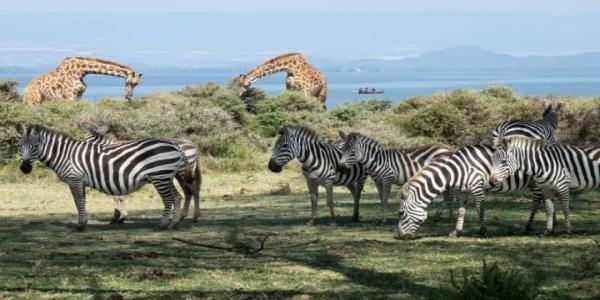
Queen Elizabeth National Park Ecosystems rank among East Africa’s most extraordinary natural treasures, offering travelers four distinct habitats that support remarkable biodiversity in one compact, cinematic landscape. Located in western Uganda along the Albertine Rift, this UNESCO Man and the Biosphere Reserve spans nearly 2,000 square kilometers and delivers classic big-game viewing, primate encounters, spectacular boat safaris, and volcanic scenery in a single destination. At Cinematic Vacations, we craft tailor-made journeys that let you experience these Queen Elizabeth National Park Ecosystems at your own pace, combining luxury lodges, expert guides, and seamless logistics for unforgettable Africa adventures.
Table of Contents
- Introduction to Queen Elizabeth National Park Ecosystems
- The Four Diverse Ecosystems That Crown the Park
- Savannah Grasslands and Classic Game Drives
- Tropical Forests and Primate Adventures
- Wetlands, Lakes, and the Iconic Kazinga Channel
- Volcanic Crater Lakes and Geological Wonders
- Wildlife Experiences Across the Habitats
- Best Time to Visit Queen Elizabeth National Park
- Suggested Itineraries with Cinematic Vacations
- Accommodation Recommendations
- Travel Tips and Packing Guide
- Frequently Asked Questions
- Book Your Safari Today
Introduction to Queen Elizabeth National Park Ecosystems
Queen Elizabeth National Park Ecosystems create a living mosaic where open plains meet dense forest, sparkling waterways, and ancient volcanic craters. Straddling the equator between Lake Edward and Lake George, the park supports over 95 mammal species and more than 600 bird species. Visitors regularly encounter elephants, buffalo, Uganda kob, hippos, lions (including the famous tree-climbing lions of Ishasha), leopards, chimpanzees, and an astonishing variety of waterbirds.
The park’s ecological richness stems from its position at the overlap of East African savanna and Congo Basin forest biomes. This diversity makes Queen Elizabeth National Park Ecosystems ideal for travelers seeking variety in a relatively compact area. Whether you prefer early-morning game drives, leisurely boat cruises, or guided forest walks, the park delivers constantly changing scenery and wildlife encounters.
The Four Diverse Ecosystems That Crown the Park
Four primary habitats define the Queen Elizabeth National Park Ecosystems experience: expansive savannah grasslands, lush tropical and riverine forests, productive wetlands and lakeshores, and dramatic volcanic crater fields. Each ecosystem supports specialized wildlife and offers distinct activities, allowing visitors to enjoy a complete East African safari without long transfers.
These Queen Elizabeth National Park Ecosystems sit against the dramatic backdrop of the Rwenzori Mountains and the Mitumba range across Lake Edward in the Democratic Republic of Congo. The result is a landscape of striking contrasts that photographers and nature lovers find endlessly inspiring.
Savannah Grasslands and Classic Game Drives
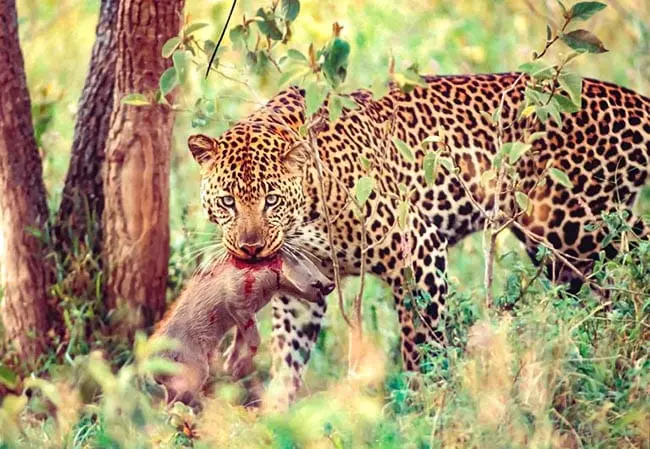
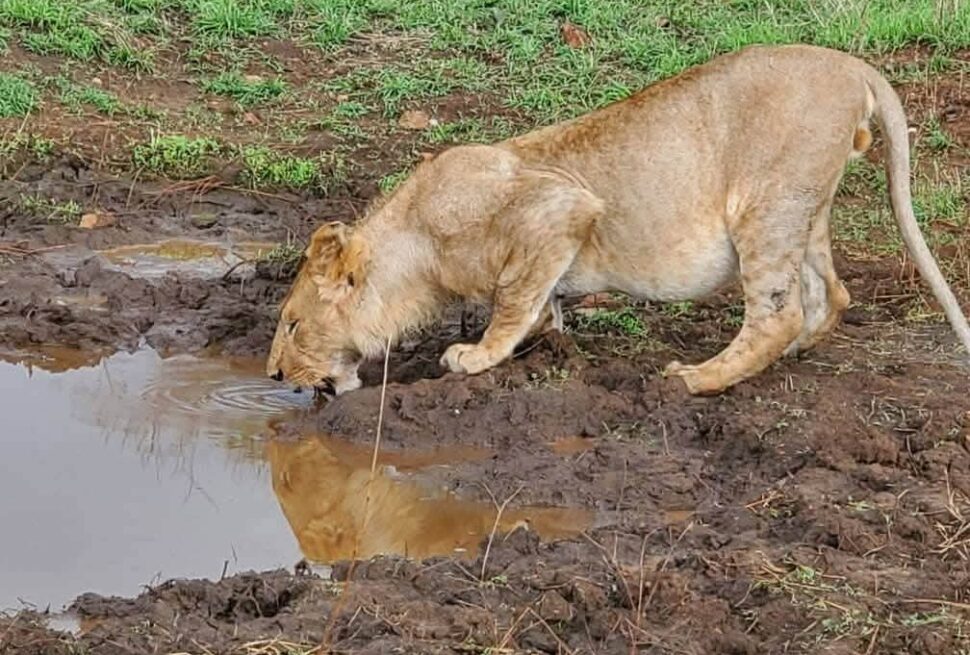
The open savannah grasslands form the classic safari heart of Queen Elizabeth National Park Ecosystems. Vast plains in the Kasenyi and Ishasha sectors support large herds of Uganda kob, buffalo, elephants, and topi. Lions, leopards, and hyenas hunt across these grasslands, while the Ishasha sector is famous for its tree-climbing lions that rest in fig trees during the heat of the day.
Guided game drives here deliver the quintessential African experience. Early mornings and late afternoons bring the highest activity levels as animals move between grazing areas and water sources. Acacia woodlands scattered through the savannah provide additional cover and browse for elephants and browsers.
Explore more of Uganda’s wildlife destinations on our Uganda page or combine with a visit to Murchison Falls.
Tropical Forests and Primate Adventures
Tropical forests and riverine woodlands add a completely different dimension to Queen Elizabeth National Park Ecosystems. The Maramagambo Forest and the dramatic Kyambura Gorge (also known as the “Valley of Apes”) support chimpanzees, black-and-white colobus, red-tailed monkeys, and a rich understory of birds and butterflies.
Guided chimpanzee tracking in Kyambura Gorge offers intimate primate encounters in a sunken forest setting. Nature walks through Maramagambo reveal bat caves, giant forest hogs, and specialized forest birds. These forest habitats highlight the park’s position at the edge of the Congo Basin biome and provide a refreshing contrast to open plains.
Many travelers pair forest experiences with chimpanzee trekking in nearby Kibale Forest for an even richer primate circuit.
Wetlands, Lakes, and the Iconic Kazinga Channel
Wetlands and freshwater systems form another vital component of Queen Elizabeth National Park Ecosystems. The 40-kilometer Kazinga Channel links Lake Edward and Lake George and hosts one of Africa’s highest concentrations of hippos, along with Nile crocodiles, elephants, buffalo, and hundreds of bird species.
A boat cruise along the Kazinga Channel ranks among Uganda’s most memorable safari activities. From the water you enjoy close, unhurried views of animals drinking, bathing, and fishing along the banks. Papyrus swamps support specialized species such as the papyrus gonolek and occasional shoebill sightings. Lake George is recognized as a Ramsar wetland of international importance.
This aquatic ecosystem provides excellent opportunities for photography and relaxed wildlife viewing that complements more active game drives.
Volcanic Crater Lakes and Geological Wonders
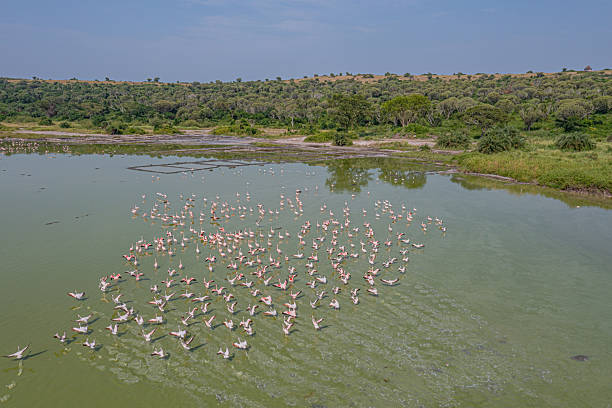
The fourth major habitat within Queen Elizabeth National Park Ecosystems consists of dozens of explosion craters formed by ancient volcanic activity. Many of these craters hold strikingly colored lakes—some saline, some freshwater—set into rolling green hills. The Katwe crater field includes salt lakes where local communities have harvested salt for centuries using traditional methods.
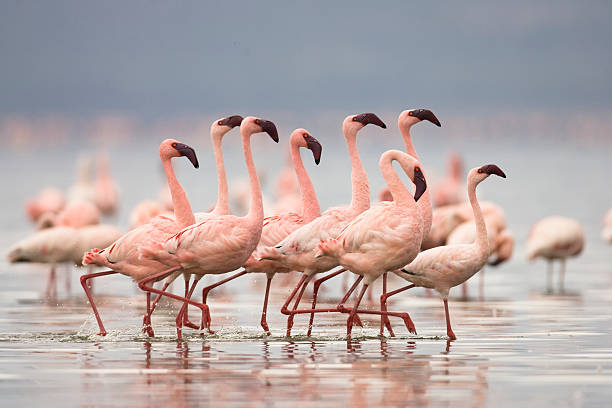
Driving the crater circuit offers panoramic views, flamingo sightings on certain lakes, and fascinating cultural stops at the salt works. These geological features add dramatic scenery and unique photographic opportunities that distinguish Queen Elizabeth from purely grassland parks.
External authority resources such as the UNESCO Man and the Biosphere Programme page and Visit Uganda provide further scientific and visitor information on these landscapes.
Wildlife Experiences Across the Habitats
Queen Elizabeth National Park Ecosystems support an impressive array of wildlife precisely because of their habitat diversity. On the plains you search for the Big Five (lion, leopard, elephant, buffalo, and the occasional rhinoceros sighting in broader Uganda circuits). In forests you track chimpanzees and other primates. On the water you glide past hippo pods and bird colonies.
Birdwatchers particularly value the park’s 600-plus species, including African fish eagles, pelicans, bee-eaters, and Albertine Rift endemics. The combination of habitats means every day can feel different, maximizing your chances of varied sightings.
For activity options, consider our Guided Game Drives and Boating experiences.
Best Time to Visit Queen Elizabeth National Park
The best time to experience Queen Elizabeth National Park Ecosystems depends on your priorities. Dry seasons (June–September and December–February) offer easier game viewing as animals concentrate near water sources and roads remain more accessible. Wet seasons bring lush scenery, fewer visitors, and excellent birding, though some tracks can become muddy.
Year-round temperatures remain pleasant due to the equatorial location and moderate elevation. Cinematic Vacations designs itineraries around seasonal conditions so you enjoy optimal wildlife viewing and comfort.
Suggested Itineraries with Cinematic Vacations
A classic 3–4 day Queen Elizabeth focus includes game drives in Kasenyi and Ishasha, a Kazinga Channel boat cruise, crater exploration, and optional chimpanzee tracking.
Longer journeys combine the park with Bwindi for mountain gorillas, Kibale for chimpanzees, or Murchison Falls for Nile scenery. Our Ultimate Uganda Safari: 10 Incredible Adventures showcases the full diversity of Uganda’s parks, including substantial time in Queen Elizabeth National Park Ecosystems.
Private, tailor-made options allow complete flexibility for families, couples, photographers, or small groups.
Accommodation Recommendations
Luxury and mid-range lodges overlook the Kazinga Channel, crater lakes, or Ishasha plains. Properties range from classic Mweya-area lodges with panoramic views to intimate tented camps and high-end eco-lodges. Cinematic Vacations selects properties that match your style—whether you prefer refined comfort, wilderness immersion, or romantic settings—while ensuring proximity to key activities.
Travel Tips and Packing Guide
- Carry binoculars, a good camera with zoom, and neutral-colored clothing.
- Bring layers for cool mornings and evenings, plus a light rain jacket.
- Insect repellent, sunscreen, and a hat are essential.
- Comfortable walking shoes suit both game drives and short forest walks.
- Yellow fever vaccination and malaria prophylaxis are recommended; consult a travel clinic.
- Book park activities and permits in advance, especially chimpanzee tracking.
Frequently Asked Questions
What makes Queen Elizabeth National Park Ecosystems unique?
The combination of four distinct habitats—savannah, forest, wetlands, and volcanic craters—supports exceptional biodiversity in a relatively accessible area.
Can I see tree-climbing lions?
Yes, the Ishasha sector is one of the best places in Africa to observe this behavior.
Is a boat cruise worthwhile?
Absolutely. The Kazinga Channel cruise consistently ranks among Uganda’s top wildlife experiences.
How many days should I spend?
Three to four days allow solid coverage of the main habitats; longer stays enable deeper exploration and combination with nearby parks.
Are the roads suitable for all travelers?
Main routes are generally good; some tracks require 4×4 vehicles, which Cinematic Vacations provides.
Book Your Safari Today
Ready to explore the four epic Queen Elizabeth National Park Ecosystems for yourself? Contact Cinematic Vacations today to create your tailor-made Uganda safari. Our experts design private journeys that blend thrilling wildlife encounters, comfortable lodges, and seamless logistics across Queen Elizabeth National Park, Bwindi, Kibale, and beyond. Whether you seek tree-climbing lions, chimpanzee tracking, or a peaceful Kazinga Channel sunset, we turn your African dream into a cinematic reality.
Book now and let the diverse ecosystems of Queen Elizabeth National Park crown your next unforgettable adventure.