
Mt. Kenya Hiking offers one of Africa’s most rewarding high-altitude adventures, with dramatic peaks, unique vegetation zones, and the chance to stand on the second-highest mountain on the continent. At Cinematic Vacations we help travelers add Mt. Kenya Hiking experiences to broader Kenya itineraries so the mountain becomes part of a complete cinematic journey.
Whether you aim for Point Lenana (the trekking summit) or simply want to explore the lower slopes, these five essential tips will help you plan a safe, successful, and unforgettable Mt. Kenya Hiking adventure.
Table of Contents
- Why Mt. Kenya Hiking Is Special
- 5 Essential Tips for Mt. Kenya Hiking
- Best Routes for Mt. Kenya Hiking
- Wildlife and Scenery on the Mountain
- Combining Mt. Kenya with Safari
- Best Time for Mt. Kenya Hiking
- Suggested Itineraries
- What to Pack
- Practical Travel Tips
- Frequently Asked Questions
- Book Your Mt. Kenya Hiking Experience
Why Mt. Kenya Hiking Is Special
Mt. Kenya Hiking takes you through distinct ecological zones—from dense forest and bamboo to moorland and alpine desert—while offering spectacular views of the twin peaks of Batian and Nelion. The mountain is a UNESCO World Heritage Site and provides a completely different experience from classic savannah safaris.
5 Essential Tips for Mt. Kenya Hiking
1. Prioritize Proper Acclimatization
Altitude is the biggest challenge on Mt. Kenya Hiking. Most itineraries to Point Lenana (4,985 m) take 4–5 days. Ascend slowly, follow “climb high, sleep low” principles, stay hydrated (3–4 liters per day), and inform your guide immediately if you feel unwell. Choosing a longer itinerary significantly improves success rates and enjoyment.
2. Hire Experienced Guides and Porters
Park regulations require a registered guide for Mt. Kenya Hiking. Professional guides manage pacing, navigation, weather decisions, and emergency response. Porters carry heavy gear so you can focus on the trail. This support is essential for safety and comfort.
3. Pack for Extreme Temperature Swings
Temperatures can range from warm and humid in the forest to well below freezing near the summit. Use a proper layering system: moisture-wicking base layers, insulating mid-layers, a waterproof shell, and a warm down or synthetic jacket for summit night. A quality 4-season sleeping bag is also critical.
[Image: Hikers on the slopes of Mount Kenya]
ALT: Mt. Kenya Hiking on the high trails
4. Choose the Right Route for Your Experience
Popular options for Mt. Kenya Hiking include:
- Sirimon Route – Gradual and scenic, good for acclimatization
- Chogoria Route – Spectacular scenery, often combined with descent via another route
- Naro Moru Route – Steeper and more direct
Most trekkers aiming for Point Lenana combine two routes for variety.
5. Prepare Physically and Mentally
Mt. Kenya Hiking involves long days on varied terrain. Build cardiovascular fitness, practice hiking with a loaded pack, and break in your boots thoroughly before the trip. Mental preparation for early summit starts and changing weather is equally important.
Watch a Mount Kenya trekking overview:
[Embed Video – Mt. Kenya Hiking highlights and scenery]
Best Routes for Mt. Kenya Hiking
The Sirimon and Chogoria routes are widely regarded as the most scenic and suitable for most trekkers. Many operators design 4- or 5-day circuits that maximize acclimatization and views.
Wildlife and Scenery on the Mountain
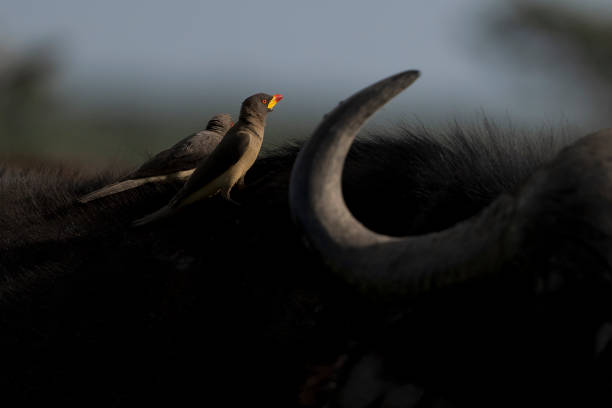
Lower forest zones offer the chance to see monkeys, buffalo, and a rich variety of birds. Higher up, the landscape becomes otherworldly with giant groundsels, lobelias, and dramatic rocky peaks. The changing scenery is one of the greatest rewards of Mt. Kenya Hiking.
Combining Mt. Kenya with Safari
Mt. Kenya Hiking pairs beautifully with classic safari destinations. Many travelers add a few days on the mountain before or after time in Samburu, the Maasai Mara, or the Rift Valley lakes.
Our 8-Day Kenya Safari from Samburu to the Maasai Mara already includes the Mount Kenya region and can be extended with a proper trekking program.
Explore more about Mount Kenya as a destination.
Best Time for Mt. Kenya Hiking
January–March and July–October are the driest and most popular periods. These months generally offer clearer skies and more stable trail conditions. The rainy seasons (April–June and November) make paths muddy and more challenging.
Official park information is available via Magical Kenya.
Suggested Itineraries
4–5 Day Point Lenana Trek
Standard guided ascent with proper acclimatization.
Mountain + Safari Combination
2–3 days of trekking followed by classic game drives in nearby parks.
Scenic Lower Slopes Experience
Shorter walks and lodge-based stays for those not aiming for the summit.
What to Pack
Essential items for Mt. Kenya Hiking include:
- Broken-in waterproof hiking boots
- Layered clothing system (base, mid, shell, insulation)
- Warm hat, gloves, and buff
- Headlamp with spare batteries
- Trekking poles
- High-SPF sunscreen and sunglasses
- Reusable water bottles or hydration system
- 4-season sleeping bag (if camping)
[Image: Hikers with proper gear on Mount Kenya]
ALT: Gear for successful Mt. Kenya Hiking
Practical Travel Tips
- Book through reputable operators who use registered guides.
- Obtain the necessary park permits in advance.
- Carry a basic first-aid kit and any personal medication.
- Respect Leave No Trace principles—pack out all waste.
- Listen to your guide regarding weather and altitude decisions.
Additional resources can be found at SafariBookings.
Frequently Asked Questions
Do I need technical climbing skills for Mt. Kenya Hiking?
No. Point Lenana is a non-technical trek. Batian and Nelion require technical climbing experience and equipment.
How difficult is Mt. Kenya Hiking?
It is challenging due to altitude and daily distances, but achievable for reasonably fit hikers with proper preparation.
Is a guide mandatory?
Yes. Kenya Wildlife Service regulations require a registered guide inside the national park.
Can Mt. Kenya Hiking be combined with a safari?
Absolutely. Many travelers do both in one trip.
What is the success rate for reaching Point Lenana?
With good acclimatization and a 4–5 day itinerary, success rates are high for prepared trekkers.
UNESCO World Heritage information is available at whc.unesco.org.
Book Your Mt. Kenya Hiking Experience
Ready for an epic high-altitude adventure?
Contact Cinematic Vacations today to plan your Mt. Kenya Hiking trip. We can arrange guided treks, combine the mountain with classic safari destinations, and handle every logistical detail so you can focus on the experience.
Whether you want a dedicated multi-day trek or a scenic mountain extension to your Kenya itinerary, our team will create a safe, well-paced, and unforgettable journey.
Request your custom quote now and start preparing for the heights of Mount Kenya.
Plan My Adventure | Explore our tour packages and destinations including Mount Kenya.
Your epic Mt. Kenya Hiking adventure begins here.