
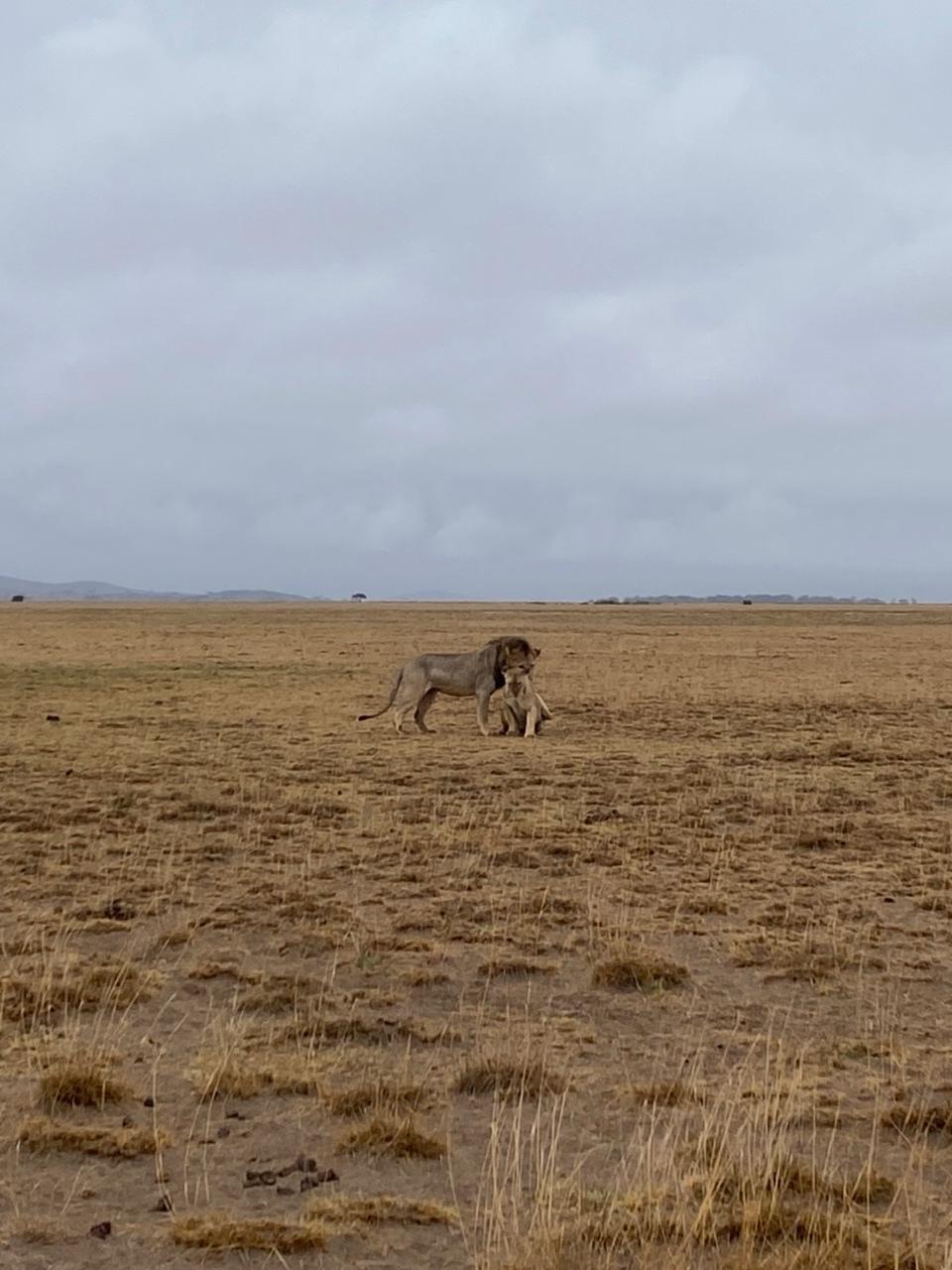
Meru National Park hides some of Kenya’s most extraordinary safari secrets, offering uncrowded wilderness, rare northern wildlife, and a living connection to the legendary Born Free story that few travelers ever experience.
Table of Contents
- Introduction
- Why Meru National Park Stands Apart
- Secret 1: The Born Free Legacy and Elsa’s Story
- Secret 2: The Protected Rhino Sanctuary
- Secret 3: Rare Northern Specials You Rarely See Elsewhere
- Secret 4: Thirteen Rivers and Wild, Diverse Habitats
- Secret 5: True Wilderness Luxury with Almost No Crowds
- Best Time to Visit Meru National Park
- Suggested Itinerary
- Accommodation Recommendations
- Travel Tips and Packing Guide
- Frequently Asked Questions
- Book Your Meru National Park Adventure

ALT: Meru National Park landscape with doum palms and elephants
Why Meru National Park Stands Apart
While many visitors flock to the Maasai Mara or Amboseli, Meru National Park remains one of Kenya’s best-kept secrets. Covering 870 square kilometers east of Mount Kenya, this remote park delivers Big Five sightings, exceptional birdlife, and landscapes that feel completely untouched.
Moreover, Meru combines the drama of northern Kenya’s special species with the lush riverine forests created by thirteen permanent rivers. As a result, every game drive feels private and cinematic. Cinematic Vacations specializes in tailor-made experiences here, pairing Meru with destinations such as Samburu or the classic Maasai Mara for a truly complete Kenya safari.
Secret 1: The Born Free Legacy and Elsa’s Story
One of the most powerful reasons to visit Meru National Park is its deep connection to conservation history. In the late 1950s, George and Joy Adamson raised an orphaned lioness named Elsa here and successfully released her into the wild. Their story became the bestselling book and award-winning film Born Free, forever changing how the world viewed wildlife.
Today you can visit Elsa’s grave under a tamarind tree near the Ura River and stand on the very hills where George Adamson once camped. The lodge Elsa’s Kopje sits directly above that historic site, creating an emotional link few other parks can match.

ALT: Elsa the lioness memorial in Meru National Park
Watch this short film about the Born Free legacy:
[Embed Video – Cinematic Vacations / Born Free style Meru footage or official Born Free clip]
Secret 2: The Protected Rhino Sanctuary
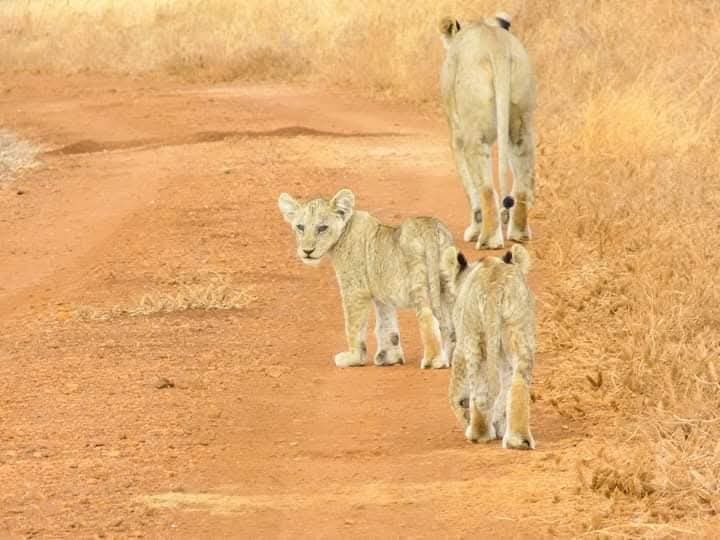
Meru National Park protects both black and white rhinos inside a well-managed 80–84 km² fenced sanctuary. This is one of the most reliable places in Kenya to see these critically endangered animals.
Guided drives and, in some cases, ranger-accompanied tracking allow close but respectful viewing. The sanctuary’s success represents a major conservation victory after the park suffered heavy poaching in the 1980s and 1990s. Today, white rhinos graze openly while the more elusive black rhinos move through thicker bush.
This experience pairs beautifully with Guided Game Drives offered on Cinematic Vacations itineraries.
Secret 3: Rare Northern Specials You Rarely See Elsewhere
Beyond the Big Five, Meru National Park is home to the “northern specials” that set it apart from southern parks:
- Grevy’s zebra with their fine, close-set stripes
- Reticulated giraffe with striking geometric patterns
- Long-necked gerenuk standing on hind legs to browse
- Beisa oryx
- Lesser kudu
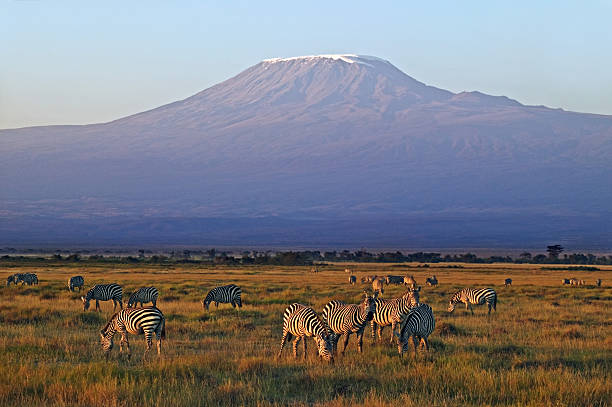
These species thrive alongside healthy populations of elephant, buffalo, lion, leopard, and cheetah. In addition, more than 400 bird species make Meru a paradise for birders.

ALT: Reticulated giraffe and Grevy’s zebra in Meru National Park
Secret 4: Thirteen Rivers and Wild, Diverse Habitats
Thirteen permanent rivers flow through Meru National Park, creating a mosaic of habitats rarely found in a single park. Doum palm forests, lush swamps, open grasslands, thorny bushland, and riverine woodlands support an extraordinary density of wildlife.
Hippos and crocodiles fill the rivers, while elephants and buffalo gather at the swamps during the dry season. The varied terrain also means every drive feels different. You might start in open plains searching for cheetahs and end the morning under towering palms scanning for leopards.
For official park information, visit the Kenya Wildlife Service Meru page.
Secret 5: True Wilderness Luxury with Almost No Crowds
Perhaps the greatest secret of Meru National Park is how empty it remains. Even in peak season you can drive for hours and see only a handful of other vehicles. This exclusivity turns every sighting into a private moment.
Luxury comes in the form of intimate properties such as Elsa’s Kopje, built into a rocky kopje with panoramic views, open-fronted cottages, and an infinity pool. Other options include Rhino River Camp near the sanctuary. The combination of high-end comfort and genuine wilderness is rare in Kenya.

ALT: Luxury lodge overlooking Meru National Park
Watch a scenic aerial or game-drive clip of Meru:
[Embed Video – YouTube Short or Cinematic Vacations Meru safari reel]
Best Time to Visit Meru National Park
The best time to visit Meru National Park is during the dry seasons: June to October and January to February. Vegetation thins, animals concentrate around rivers and swamps, and road conditions are excellent.
June to September offers peak wildlife viewing with cooler mornings. January and February remain hot but productive. The green seasons (March–May and November) bring lush landscapes, newborn animals, and outstanding birding with even fewer visitors.
For broader Kenya planning, explore Magical Kenya.
Suggested Itinerary
3–4 Day Meru Focus
Day 1: Arrive via road or flight, afternoon game drive and sundowner.
Day 2: Full day exploring the rhino sanctuary, rivers, and northern plains.
Day 3: Morning drive to Elsa’s grave and Adamson’s Falls area, afternoon cultural visit or further wildlife viewing.
Day 4: Final game drive and departure.
This pairs perfectly with an 8 Day Kenya Safari from Samburu to Maasai Mara or a southern circuit ending on Diani Beach.
Accommodation Recommendations
- Elsa’s Kopje – Flagship luxury lodge on the historic kopje
- Rhino River Camp – Comfortable tented camp near the sanctuary
- KWS bandas and campsites for more adventurous travelers
Cinematic Vacations arranges exclusive stays and private guiding to match your style.
Travel Tips and Packing Guide
- Fly into Kinna, Mulika, or Mughwango airstrips or drive from Nairobi (approximately 5–6 hours).
- Park entry fees apply (check current KWS rates).
- Pack light neutral clothing, a warm layer for early mornings, binoculars, sunscreen, insect repellent, and a good camera.
- Malaria precautions are recommended.
- Combine with Walking Safaris or photography-focused experiences for deeper immersion.
Authoritative resources: UNESCO tentative list context for the Meru Conservation Area and SafariBookings Meru overview.
Frequently Asked Questions
Is Meru National Park good for first-time safari visitors?
Yes. The combination of Big Five potential, rare species, and low crowds makes it rewarding for both first-timers and experienced travelers.
Can I see the Big Five in Meru?
Yes. Lion, leopard, elephant, buffalo, and both black and white rhinos (in the sanctuary) are present.
How crowded is Meru National Park?
It remains one of Kenya’s least-visited major parks, offering a genuine wilderness feel.
Is Meru suitable for families?
Absolutely. Private vehicles and flexible pacing work well for families.
Book Your Meru National Park Adventure
Ready to uncover the five wild secrets of Meru National Park for yourself? Contact Cinematic Vacations today to design your tailor-made safari. Whether you want a focused Meru experience, a northern circuit with Samburu, or a grand Kenya journey ending on the beach, our experts will craft an unforgettable journey just for you.
Explore more destinations and packages on Cinematic Vacations and start planning your extraordinary African adventure now.