
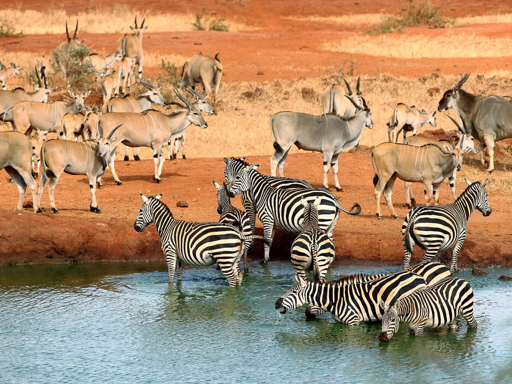
If you are planning a Kenya safari, Tsavo East vs Tsavo West is one of the most important comparisons to make before booking. Although the two parks form part of the enormous Tsavo Conservation Area, they offer noticeably different landscapes, wildlife-viewing experiences, attractions, and safari styles.
So, which should you choose?
The answer depends on what you want from your adventure. Tsavo East is particularly appealing if you love vast open wilderness, dramatic red-earth landscapes, elephants, and expansive views. Tsavo West, meanwhile, is ideal for travelers who prefer volcanic scenery, springs, rugged terrain, and a more varied landscape.
Kenya Wildlife Service describes Tsavo East as a vast semi-arid wilderness characterized by open plains, acacia scrub, the Galana River, and the Yatta Plateau. Tsavo West is characterized by lava flows, hills, springs, savannah, and lush pockets of vegetation around water sources.
This guide explains the 5 crucial differences so you can choose confidently.
Table of Contents
- Tsavo East vs Tsavo West: The Quick Answer
- Tsavo East vs Tsavo West: 5 Crucial Differences
- 1. Landscape and Scenery
- 2. Wildlife and Game Viewing
- 3. Attractions and Activities
- 4. Safari Atmosphere and Crowds
- 5. Location and Safari Logistics
- Which Park Is Better for You?
- Can You Visit Both Parks?
- Accommodation Recommendations
- Best Time to Visit
- Suggested Tsavo Safari Itineraries
- Travel Tips
- Packing Guide
- Frequently Asked Questions
- Book Your Tsavo Safari
Tsavo East vs Tsavo West: The Quick Answer
The simplest way to understand Tsavo East vs Tsavo West is this:
| Feature | Tsavo East | Tsavo West |
|---|---|---|
| Landscape | Vast, open and semi-arid | Rugged, volcanic and greener |
| Famous for | Red elephants, wilderness and Yatta Plateau | Mzima Springs, lava landscapes and dramatic scenery |
| Wildlife viewing | Excellent, especially elephants and large mammals | Excellent, with varied habitats |
| Photography | Wide landscapes and wildlife silhouettes | Springs, volcanic scenery and wildlife |
| Atmosphere | Expansive and wild | Scenic and more enclosed in places |
| Best for | Wilderness lovers and photographers | Scenery lovers and first-time visitors |
| Ideal combination | Tsavo East + Amboseli | Tsavo West + Amboseli |
Neither park is universally “better.”
Instead, they provide different versions of the Tsavo experience.
Tsavo East vs Tsavo West: 5 Crucial Differences
1. Tsavo East vs Tsavo West: Landscape and Scenery
The biggest difference between the two parks is arguably the landscape.
Tsavo East: Vast and Open
Tsavo East is enormous, covering approximately 13,747 square kilometers according to Kenya Wildlife Service. It is Kenya’s largest national park.
Its scenery is dominated by:
- Semi-arid plains
- Red earth
- Acacia vegetation
- Rocky outcrops
- The Galana River
- Yatta Plateau
- Huge open horizons
The scale can feel almost overwhelming.
You may drive for long stretches with nothing but savannah, scattered trees, wildlife, and distant hills surrounding you.
That sense of space is one of Tsavo East’s greatest attractions.
IMAGE 2 — Tsavo East
ALT: Tsavo East vs Tsavo West comparison showing red elephants in Tsavo East
Tsavo West: Volcanic and Dramatic
Tsavo West feels different.
Instead of endless open plains dominating the landscape, you encounter:
- Volcanic hills
- Ancient lava flows
- Rocky terrain
- Woodlands
- Natural springs
- Green oases
- Rugged horizons
Kenya Wildlife Service specifically highlights the park’s lava flows and Mzima Springs as major attractions.
This makes Tsavo West particularly attractive to photographers who want more than traditional savannah scenery.
Winner for landscapes: Tsavo West
Winner for vast wilderness: Tsavo East
2. Tsavo East vs Tsavo West: Wildlife and Game Viewing
When comparing Tsavo East vs Tsavo West, wildlife is naturally one of the biggest questions.
Both parks support substantial wildlife populations, but the experience can differ because of habitat and visibility.
Tsavo East Wildlife
Tsavo East is particularly famous for its elephants.
The park’s elephants are often described as “red elephants” because their bodies can become coated in the park’s distinctive red soil.
You may encounter:
- Elephants
- Lions
- Leopards
- Buffalo
- Giraffes
- Zebras
- Hippos
- Crocodiles
- Antelopes
- Hundreds of bird species
KWS notes that Tsavo East has recorded more than 500 bird species and supports diverse wildlife, including the endangered hirola.
The open terrain can also provide excellent opportunities to scan large areas for animals.
Tsavo West Wildlife
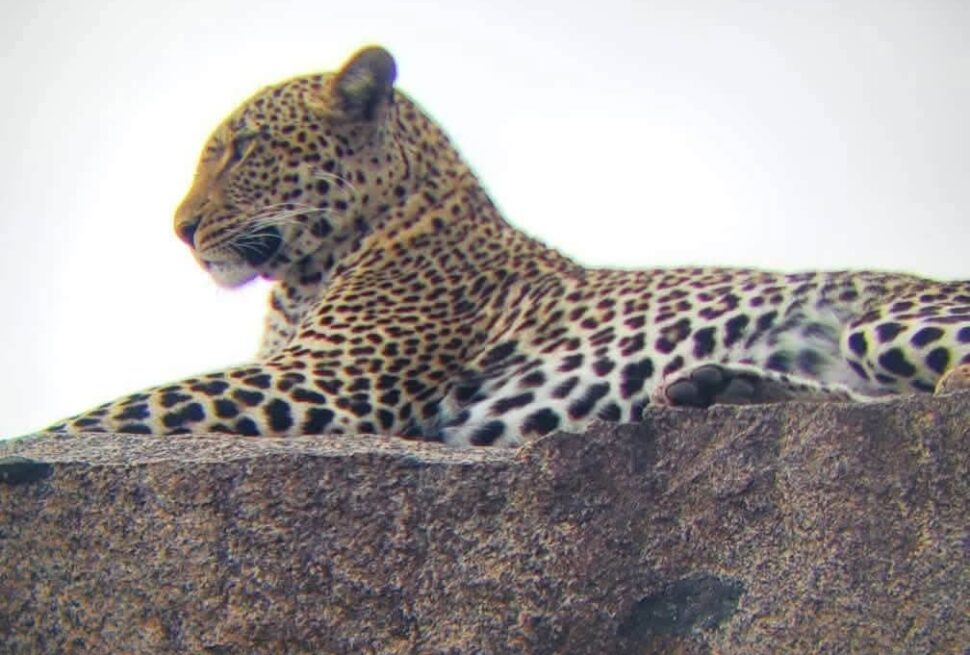
Tsavo West also supports elephants, buffalo, lions, leopards, hippos, giraffes, zebras, and many other species.
However, its more rugged and vegetated terrain can sometimes make wildlife harder to spot.
That is not necessarily a disadvantage.
For many experienced safari travelers, searching carefully through the vegetation can make an encounter even more rewarding.
SafariBookings describes Tsavo East as particularly good for elephants and big cats, while Tsavo West has Big Five potential but generally lower wildlife densities.
Winner for elephant-focused safaris: Tsavo East
Winner for varied habitats: Tsavo West
Winner overall: Tie
IMAGE 3 — Wildlife
ALT: Elephants and lions during a Tsavo East vs Tsavo West safari comparison
VIDEO 1 — Tsavo Wildlife Experience
Recommended placement: Here, immediately after the wildlife section.
Video: Embed a Cinematic Vacations Tsavo game-drive video, YouTube Short, or safari Reel showing elephants and wildlife.
3. Tsavo East vs Tsavo West: Attractions and Activities
Another major difference concerns what you can do beyond traditional game drives.
Tsavo East Attractions
Tsavo East is about wilderness on a grand scale.
Major attractions include:
Yatta Plateau:
This extraordinary lava formation stretches across the landscape and is one of the park’s most recognizable geological features.
Galana River:
The river provides an important source of water and creates beautiful contrasts against the surrounding dry landscape.
Aruba Dam:
A popular wildlife-viewing area where animals may gather around water.
Red Elephants:
One of the most recognizable visual symbols of Tsavo.
The park also offers opportunities for photography and other outdoor experiences. KWS notes its potential for guided walks, photographic safaris, and even astro-tourism because of its vast skies and relatively low light pollution.
Tsavo West Attractions
Tsavo West has an especially strong collection of geological and water-based attractions.
Mzima Springs is perhaps the most famous.
Crystal-clear water emerges from underground sources, creating lush pools surrounded by greenery.
The area attracts hippos, crocodiles, fish, birds, and other wildlife.
Other attractions include:
- Shetani Lava Flows
- Chaimu Crater
- Roaring Rocks
- Volcanic landscapes
- Mzima Springs
KWS describes Mzima Springs as one of the park’s iconic attractions and highlights the contrast between clear water, lava rocks, and surrounding vegetation.
Winner for geological attractions: Tsavo West
Winner for wilderness landscapes: Tsavo East
4. Tsavo East vs Tsavo West: Safari Atmosphere and Crowds
The atmosphere matters more than many first-time safari travelers realize.
Tsavo East’s enormous size gives visitors a powerful feeling of isolation.
The landscape can feel remote, wild, and cinematic.
Tsavo West, while also vast, often feels more intimate because of its hills, vegetation, volcanic formations, and water sources.
Neither should be viewed simply as a “crowded” or “empty” park. Visitor experience depends heavily on the season, gate, route, accommodation location, and daily safari planning.
For travelers seeking a sense of immense wilderness, however, Tsavo East has a natural advantage.
Best for expansive wilderness: Tsavo East
Best for varied scenery: Tsavo West
Best strategy: Visit both.
5. Tsavo East vs Tsavo West: Location and Safari Logistics
Location can determine which park makes the most sense for your trip.
Both parks are conveniently positioned for travelers combining safari with Kenya’s coast.
This is one reason Tsavo is particularly popular with travelers staying in Mombasa or Diani Beach.
SafariBookings currently lists numerous Tsavo itineraries departing from Mombasa and Diani, including short Tsavo East trips and multi-day East-and-West combinations.
From Nairobi
If you are starting in Nairobi, both parks can be incorporated into a longer Kenya safari.
A route could include:
Nairobi → Amboseli → Tsavo West → Tsavo East → Coast
or:
Nairobi → Tsavo East → Tsavo West → Amboseli → Nairobi
From the Coast
For a beach-and-safari holiday, Tsavo can be exceptionally convenient.
You could begin in:
- Mombasa
- Diani Beach
- Watamu
Then travel inland for two or three safari nights before returning to the coast.
Cinematic Vacations already features a 6-Day Amboseli, Tsavo & Diani Beach Safari, demonstrating how Tsavo can be incorporated into a broader safari-and-beach itinerary.
Best for coast-to-safari combinations: Both
Which Park Is Better for You?
The best answer to Tsavo East vs Tsavo West depends on your travel priorities.
Choose Tsavo East if you want:
- Red elephants
- Huge open landscapes
- Dramatic wilderness
- Yatta Plateau
- Wide-angle photography
- Large-scale scenery
- A strong elephant-focused safari
Choose Tsavo West if you want:
- Mzima Springs
- Volcanic landscapes
- Lava flows
- More varied terrain
- Springs and water-based wildlife viewing
- Dramatic geological scenery
- A diverse photography experience
Choose both if:
You have at least three safari nights available.
That is often the best solution.
Instead of asking Tsavo East vs Tsavo West, you can experience Tsavo East and Tsavo West as two complementary chapters of the same safari.
Can You Visit Both Tsavo Parks?
Absolutely.
In fact, combining the two is one of the best ways to understand Tsavo.
A three-day route could look like:
Day 1: Mombasa/Diani → Tsavo East → afternoon game drive
Day 2: Tsavo East → Tsavo West → game drive
Day 3: Tsavo West → morning game drive → coast
SafariBookings currently lists hundreds of Tsavo East-and-West safari combinations, including short private safaris from the Kenyan coast.
For a more luxurious journey, you can extend the route with Amboseli.
IMAGE 4 — Landscape
ALT: Tsavo West volcanic landscape and Mzima Springs scenery in Kenya
Accommodation Recommendations
Accommodation should be selected according to your route rather than simply choosing the most luxurious property.
For Tsavo East, consider a lodge or tented camp that gives you convenient access to your preferred game-viewing areas.
For Tsavo West, staying near the park’s major attractions can make early-morning activities easier.
Look for:
- Tented camps
- Safari lodges
- Private camps
- Wildlife-view accommodations
- Family-friendly properties
- Luxury safari camps
Cinematic Vacations emphasizes handpicked safari camps and lodges as part of its tailor-made safari approach.
IMAGE 5 — Luxury Accommodation
ALT: Luxury safari tent overlooking the Tsavo wilderness in Kenya
Best Time to Visit Tsavo
Tsavo can be visited throughout the year.
However, wildlife viewing often becomes easier during drier periods because animals tend to concentrate around available water sources and vegetation is less dense.
Dry periods
These can be particularly attractive for:
- Wildlife photography
- Game drives
- Clearer landscapes
- Easier animal spotting
Green periods
The wetter months can produce:
- Lush vegetation
- Dramatic skies
- Fewer visitors
- Excellent birdwatching
- Beautiful photographic conditions
Therefore, there is no single “perfect” month.
Your ideal travel period depends on whether wildlife visibility, photography, weather, budget, or fewer visitors is your priority.
Suggested Tsavo Safari Itineraries
2-Day Tsavo East Safari
Day 1: Coast → Tsavo East → afternoon game drive
Day 2: Morning game drive → return to coast
This works well for travelers staying in Mombasa or Diani.
3-Day Tsavo East and West Safari
Day 1: Coast → Tsavo East
Day 2: Tsavo East → Tsavo West
Day 3: Tsavo West → Coast
This is the best short option for travelers who want both parks.
4-Day Amboseli, Tsavo West and Tsavo East Safari
Day 1: Nairobi → Amboseli
Day 2: Amboseli → Tsavo West
Day 3: Tsavo West → Tsavo East
Day 4: Tsavo East → Nairobi or the coast
Cinematic Vacations currently features a 4-Day Amboseli & Tsavo West Safari Itinerary, making this type of southern Kenya circuit particularly suitable for travelers with limited time.
6-Day Safari and Beach Combination
A longer journey can combine:
Nairobi → Amboseli → Tsavo West → Tsavo East → Diani Beach
This gives you wildlife, landscapes, and coastal relaxation in one trip.
VIDEO 2 — Tsavo East & West Safari
Recommended placement: After the itinerary section.
Video: Embed your Cinematic Vacations Tsavo East and Tsavo West safari video or a short vertical safari film here.
Travel Tips
1. Use a 4×4 safari vehicle
Tsavo’s terrain makes a capable safari vehicle especially useful.
2. Start game drives early
Early mornings often offer cooler temperatures and active wildlife.
3. Bring binoculars
Tsavo’s huge landscapes make binoculars extremely useful.
4. Carry plenty of water
Safari days can become hot, especially during the warmer months.
5. Don’t judge the park after one drive
Wildlife is unpredictable.
A quiet morning does not mean the park lacks wildlife.
6. Consider a private safari
Private travel allows your guide to adapt the day around your interests.
Cinematic Vacations offers private safari experiences and tailor-made journeys designed around travelers’ preferred pace and interests.
7. Combine safari with the coast
If you’re already staying in Diani or Mombasa, Tsavo can be a natural addition.
Packing Guide
For a Tsavo safari, pack:
- Lightweight neutral-colored clothing
- Comfortable walking shoes
- Sun hat
- Sunglasses
- Sunscreen
- Insect repellent
- Binoculars
- Camera
- Extra batteries
- Power bank
- Reusable water bottle
- Light jacket
- Small backpack
A light jacket is useful for early-morning game drives, even when daytime temperatures become warm.
Frequently Asked Questions
Is Tsavo East or Tsavo West better?
Neither is universally better. Tsavo East is particularly strong for vast landscapes and elephants, while Tsavo West stands out for volcanic scenery, Mzima Springs, and varied terrain.
Which is better for elephants?
Tsavo East is particularly famous for its elephants and distinctive red-soil landscapes. KWS specifically highlights the park’s “Red Elephants” as one of its attractions.
Which park has Mzima Springs?
Mzima Springs is located in Tsavo West National Park.
Can I visit both parks in one safari?
Yes. A two- or three-night itinerary can combine Tsavo East and Tsavo West, particularly when traveling from Mombasa or Diani Beach.
Which park is better for photography?
It depends on your style. Tsavo East is excellent for expansive wildlife and landscape photography, while Tsavo West offers volcanic formations, springs, hills, and more varied scenery.
Can I combine Tsavo with Amboseli?
Yes. Amboseli, Tsavo West, and Tsavo East make an excellent southern Kenya safari circuit.
Can I combine Tsavo with a beach holiday?
Definitely. Tsavo is especially convenient for travelers combining a Kenya safari with Mombasa or Diani Beach.
How many days do I need?
Two days can provide a short Tsavo East experience. Three days is better if you want both parks. Four to six days allows you to combine Tsavo with Amboseli and/or the Kenyan coast.
Book Your Tsavo Safari with Cinematic Vacations
The Tsavo East vs Tsavo West decision ultimately comes down to the experience you want.
Choose Tsavo East for enormous horizons, red elephants, rugged wilderness, and the spectacular Yatta Plateau.
Choose Tsavo West for volcanic scenery, Mzima Springs, lava flows, lush oases, and dramatic landscapes.
Better yet, combine both.