
Best Safari Destinations Africa: 7 Where to Stay in Kenya
Kenya remains the gold standard when travelers search for the best safari destinations Africa has to offer, blending iconic wildlife encounters with world-class luxury lodges, warm hospitality, and landscapes that have inspired filmmakers and naturalists for generations. From the thundering wildebeest migration across the Masai Mara to the elephant herds silhouetted against Mount Kilimanjaro in Amboseli, Kenya delivers the kind of transformative safari experience that discerning travelers from New York to London to Sydney dream about. This guide explores seven exceptional regions where sophisticated travelers should stay, why each merits a place among the continent’s finest safari circuits, and how to plan a seamless journey with expert guidance.
best safari destinations Africa: Table of Contents
– Why Kenya Ranks Among the Best Safari Destinations Africa Has to Offer – The Masai Mara: Kenya’s Crown Jewel – Amboseli National Park: Elephants and Kilimanjaro – Samburu National Reserve: Kenya’s Wild Frontier – Lake Nakuru and the Great Rift Valley Lakes – Tsavo East and West: Kenya’s Vast Wilderness – Laikipia Plateau: Conservation Luxury – How to Choose Among Kenya’s Top Safari Regions – Frequently Asked Questions – Conclusion
Why Kenya Ranks Among the Best Safari Destinations Africa Has to Offer
Kenya’s reputation as one of the best safari destinations Africa provides is no accident. The country combines extraordinary biodiversity, decades of conservation investment, and an exceptional network of luxury camps and lodges that cater specifically to high-end travelers seeking privacy, comfort, and authenticity in equal measure.
Unlike destinations that offer wildlife viewing alone, Kenya layers in cultural richness through Maasai, Samburu, and Swahili coastal heritage, dramatic geography spanning the Great Rift Valley to the Indian Ocean, and a mature tourism infrastructure refined over a century of safari travel. The Kenya Wildlife Service manages an impressive portfolio of national parks and reserves, ensuring sustainable conservation practices that protect the very wildlife populations travelers come to witness.
A Legacy of Conservation Excellence
Kenya’s protected areas benefit from decades of research, anti-poaching initiatives, and community-based conservation models that have become templates studied worldwide. This institutional commitment, paired with increasingly sophisticated luxury camps, is precisely why Kenya consistently ranks among the best safari destinations Africa can claim, year after year, in international travel surveys and conservation reports alike.
The Masai Mara: Kenya’s Crown Jewel Among Best Safari Destinations Africa
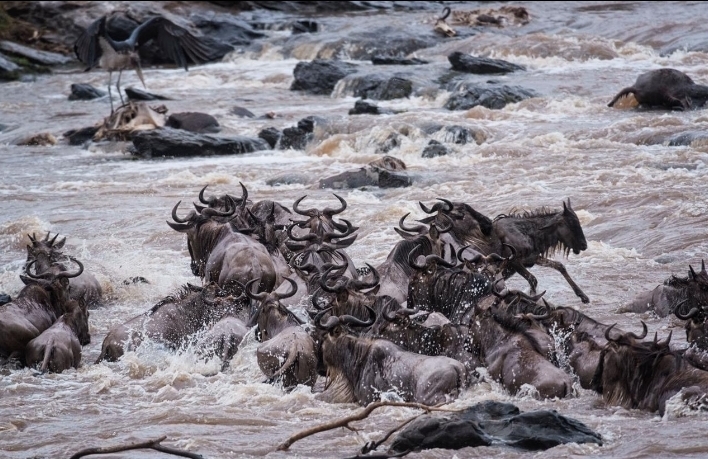
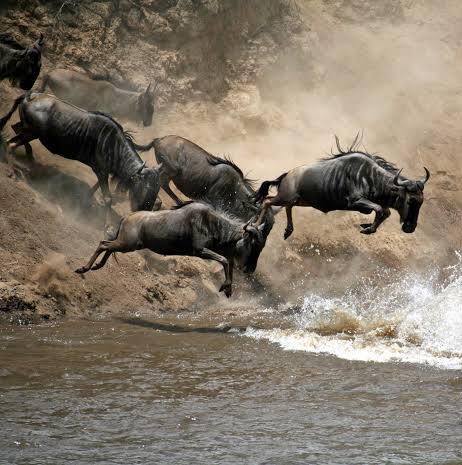
No conversation about premier wildlife viewing is complete without the Masai Mara National Reserve. This sprawling savanna, contiguous with Tanzania’s Serengeti ecosystem, hosts the Great Migration each year as over two million wildebeest, zebra, and gazelle cross the Mara River in a spectacle of survival and instinct.
The Mara’s concentration of predators—lion, leopard, cheetah, and hyena—combined with its golden grasslands and dramatic river crossings, cements its status as arguably the single most photographed landscape among the best safari destinations Africa offers to luxury travelers.
Where to Stay in the Mara
Luxury travelers typically choose between the Mara’s private conservancies, such as Mara North, Olare Motorogi, or Naboisho, and the main reserve itself. Private conservancies offer exclusive game drives, night drives, and walking safaris unavailable within the national reserve, along with lower vehicle density and more intimate wildlife encounters. For travelers planning their itinerary, our Cinematic Vacations Safari Packages include curated stays across the most reputable Mara conservancies, matched to each guest’s preferred level of exclusivity and budget.
Amboseli National Park: Elephants and Kilimanjaro
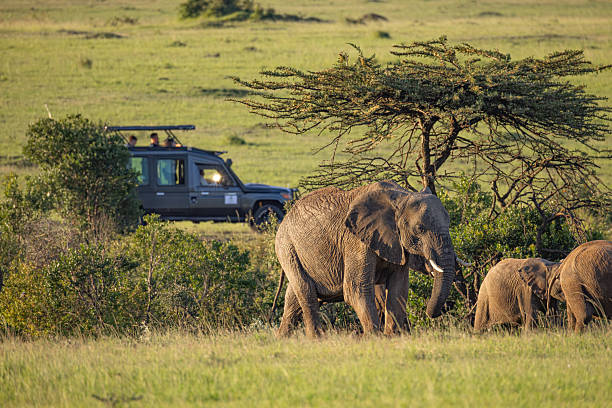
Amboseli delivers one of Africa’s most cinematic backdrops: free-roaming elephant herds set against the snow-capped peak of Mount Kilimanjaro, just across the Tanzanian border. The park’s open plains and swamps support one of the continent’s most studied and habituated elephant populations, offering extraordinarily close, ethical wildlife encounters.
The Big Tusker Legacy
Amboseli is renowned for its “big tuskers”—elephants with exceptionally large ivory, a genetic lineage carefully protected through decades of research by organizations working alongside the Kenya Wildlife Service. Luxury tented camps positioned along the park’s periphery offer unobstructed Kilimanjaro views at sunrise, a moment many travelers describe as the highlight of their entire East African journey.
Samburu National Reserve: Kenya’s Wild Frontier
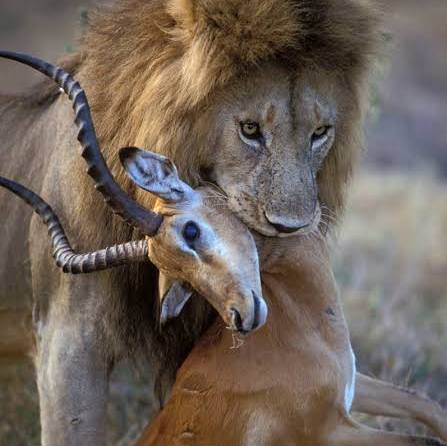
North of the equator, Samburu National Reserve offers a dramatically different ecosystem than the Mara’s grasslands—arid, rugged, and home to species found nowhere else in Kenya, including the Somali ostrich, reticulated giraffe, gerenuk, and Grevy’s zebra. The Ewaso Nyiro River sustains wildlife through the dry season, drawing elephants, lions, and leopards to its banks.
A Culturally Immersive Safari
Samburu’s reduced tourist traffic compared to the Mara makes it ideal for travelers seeking seclusion without compromising wildlife density. The region is also home to the Samburu people, whose traditions remain vibrantly intact, offering guests meaningful cultural exchange alongside exceptional game viewing—another reason Kenya persistently ranks among the best safari destinations Africa presents to culturally curious travelers.
Lake Nakuru and the Great Rift Valley Lakes
The Great Rift Valley’s alkaline lakes—Nakuru, Naivasha, and Elementaita—provide a striking contrast to Kenya’s savanna parks. Lake Nakuru National Park, a designated bird sanctuary, has historically hosted massive flocks of flamingos, alongside healthy populations of both black and white rhino, making it one of the best places in East Africa for rhino sightings in a relatively compact, accessible park.
Birdwatching and Rhino Sanctuaries
Ornithology enthusiasts travel specifically for Nakuru’s extraordinary bird diversity, with over 450 recorded species. Combined with its rhino sanctuary status and proximity to Nairobi, Lake Nakuru makes an excellent addition to shorter itineraries or as a scenic stop en route to the Mara.
Tsavo East and West: Kenya’s Vast Wilderness
Together, Tsavo East and West form one of the largest protected ecosystems in the world, celebrated for its red-dust elephants, ancient baobab trees, and dramatic volcanic scenery, including the Shetani lava flows and Mzima Springs. Tsavo’s sheer scale—larger than many small nations—offers travelers a profound sense of wilderness solitude increasingly rare elsewhere on the continent.
Red Elephants and Untamed Landscapes
Tsavo’s elephants are famously stained red from the park’s iron-rich soil, creating unforgettable photographic opportunities. The park’s remote eastern and western sections also border conservation areas recognized internationally, with ecological corridors connecting toward Tanzania’s protected zones managed in coordination with institutions like Tanzania National Parks, underscoring the cross-border conservation collaboration that sustains East Africa’s wildlife corridors.
Laikipia Plateau: Conservation Luxury
Laikipia has emerged as Kenya’s premier conservation-focused safari destination, home to community and privately managed conservancies supporting critically endangered species, including black rhino, Grevy’s zebra, and African wild dog. Unlike traditional national parks, Laikipia’s conservancies pioneer integrated models combining wildlife protection, community development, and ultra-luxury hospitality.
Exclusive Conservancy Experiences
Laikipia’s appeal lies in its flexibility: horseback safaris, camel trekking, night game drives, and guided bush walks are all permitted, activities typically restricted within national parks under Kenya Wildlife Service regulations. This flexibility, paired with award-winning lodges, positions Laikipia among the most innovative of Kenya’s best safari destinations Africa travelers increasingly request by name.
How to Choose Among Kenya’s Top Safari Regions
Selecting among Kenya’s best safari destinations Africa provides depends heavily on travel season, wildlife priorities, and desired pace. Travelers chasing the Great Migration should prioritize the Mara between July and October, while those seeking elephant photography against Kilimanjaro should favor Amboseli during the dry seasons when herds congregate near permanent water sources.
Building a Multi-Region Itinerary
Many luxury travelers combine two or three regions—such as the Mara, Amboseli, and Laikipia—into a single two-week itinerary, balancing iconic migration viewing with more exclusive conservancy experiences. Several of Kenya’s parks and reserves also carry recognition through the UNESCO World Heritage Centre, reflecting their global ecological and cultural significance, a useful reference point when prioritizing destinations with both conservation credibility and visitor appeal.
For a tailored itinerary matching your travel dates, interests, and preferred lodge style, explore our detailed Cinematic Vacations Kenya Itineraries, designed specifically around each region’s seasonal strengths and wildlife patterns.
Frequently Asked Questions
What is the best time of year to visit Kenya’s safari destinations?
The dry seasons—June through October and January through February—offer the best overall wildlife viewing, as animals congregate near permanent water sources and vegetation thins, improving visibility. The Great Migration’s river crossings typically peak between July and September in the Masai Mara.
How many days do I need to see Kenya’s best safari destinations Africa has to offer?
Most luxury travelers allocate 7 to 10 days to comfortably experience two or three regions, such as the Mara combined with Amboseli or Laikipia. Shorter trips of 4 to 5 days can still deliver exceptional experiences focused on a single ecosystem.
Is Kenya safe for luxury travelers, including families and solo travelers?
Yes. Kenya’s established safari industry prioritizes guest safety through experienced guides, secure camps, and well-regulated parks overseen by the Kenya Wildlife Service. Luxury camps routinely host families, solo travelers, and multigenerational groups with tailored amenities and security protocols.
How do I decide between staying in a national reserve versus a private conservancy?
National reserves like the Masai Mara offer dense wildlife populations but higher visitor traffic, while private conservancies provide exclusivity, night drives, and walking safaris at a premium price point. Many travelers combine both for a balanced experience, which our team can help structure through a personalized Cinematic Vacations Contact Consultation.
Conclusion
Kenya’s unmatched combination of iconic wildlife, varied ecosystems, and refined luxury hospitality explains why it remains firmly established among the best safari destinations Africa offers today’s most discerning travelers. Whether you’re drawn to the Mara’s dramatic river crossings, Amboseli’s elephant herds beneath Kilimanjaro, or Laikipia’s conservation-driven luxury camps, Kenya delivers a depth and diversity of experience that few destinations worldwide can rival. To begin crafting your bespoke Kenyan safari journey, connect with our specialists today and discover why Kenya continues to define excellence in African travel.