
Where to find the Ultimate Photography safari Kenya: 8 Secret Spots
Embarking on a Photography safari Kenya journey is more than just a trip; it is an intimate communion with the wild. As you prepare to capture the golden light over the savannah, your focus must be on finding the right locations, the right timing, and the right expertise to ensure your portfolio reflects the majesty of East Africa.
Table of Contents
- The Art of the Kenyan Safari
- Why Professionals Choose Kenya
- 8 Secret Spots for a Photography Safari Kenya
- Optimizing Your Gear and Strategy
- Seasonality: When to Visit
- Final Thoughts: Start Your Journey
The Art of the Kenyan Safari
At Cinematic Vacations, we specialize in curating experiences that go beyond the ordinary. A truly immersive Photography safari Kenya experience requires access to private conservancies where the crowds thin out and the wildlife thrives undisturbed. Whether you are chasing the Great Migration or seeking the elusive leopard, our Cinematic Vacations safari specialists ensure your itinerary is perfectly balanced.
Caption: Africa’s most iconic backdrop: free-roaming elephant families beneath the glacier dome of Mount Kilimanjaro. Curated by Cinematic Vacations.

Why Professionals Choose Kenya
Kenya remains the pinnacle for wildlife photographers worldwide. The infrastructure, coupled with the sheer density of apex predators and mega-herbivores, allows for consistent, high-reward shooting days. By partnering with a premier Kenya tour operator, you gain exclusive access to off-road tracking and private game viewing spots, essential for capturing those prize-winning frames.
8 Secret Spots for a Photography Safari Kenya
If you want to escape the crowded tourist circuits, these 8 secret gems provide the ultimate backdrop for your lens.
1. The Enkongo Narok Swamps (Amboseli)
These emerald, spring-fed marshes offer the best opportunity to photograph massive bull elephants. The contrast between the lush green vegetation and the dusty plains is a dream for wide-angle compositions.
2. Mara North Conservancy
Far from the busy tourist vehicles of the main reserve, this private area allows for nighttime photography and walking safaris. It is the premier spot for candid, intimate predator sightings.
3. The Ol Kinyei Plains
Known for its dramatic, rolling landscapes and sparse tree cover, this location is ideal for high-speed action shots of cheetahs hunting in the open grasslands.
4. The Naboisho Leopard Haven
This region has the highest density of leopards in the Mara ecosystem. If you are looking to master low-light cat photography, this is your secret sanctuary.
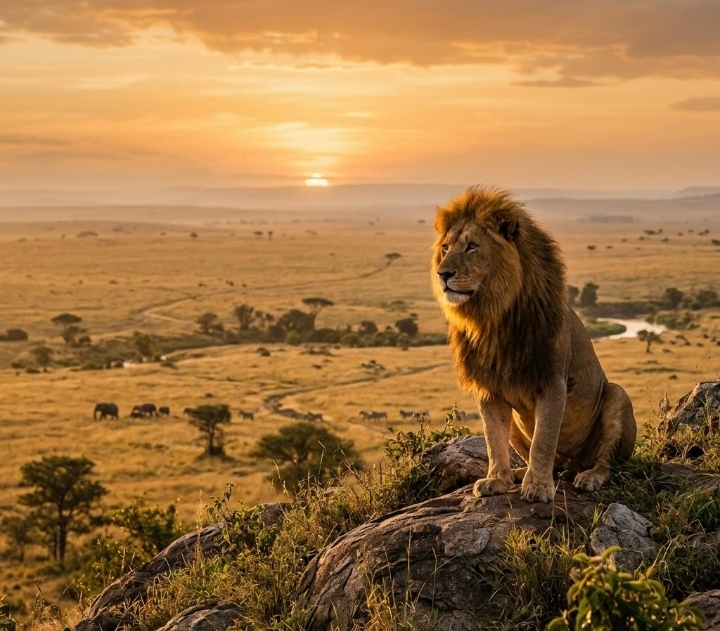
Caption: A dominant male lion surveying his territory across the boundless plains of the Maasai Mara ecosystem. Curated by Cinematic Vacations.

5. Chyulu Hills Cloud Forest
For photographers interested in landscapes, the volcanic vistas and dense cloud forests of the Chyulu Hills offer a unique atmospheric perspective rarely seen in typical safari portfolios.
6. The Mara River Crossing Points (Remote Sectors)
While the main crossings attract crowds, the northern, less-frequented river banks offer private vantages of the Great Migration, perfect for capturing intense action sequences.
Caption: Tender moments in the wild: a lioness supervising her cubs on an open conservancy ridge. Curated by Cinematic Vacations.

7. Lake Magadi Flats
Located in the Great Rift Valley, these salt flats create surreal, minimalist compositions when flamingos gather in the shimmering heat haze.
8. The Ewaso Ng’iro Riverbanks
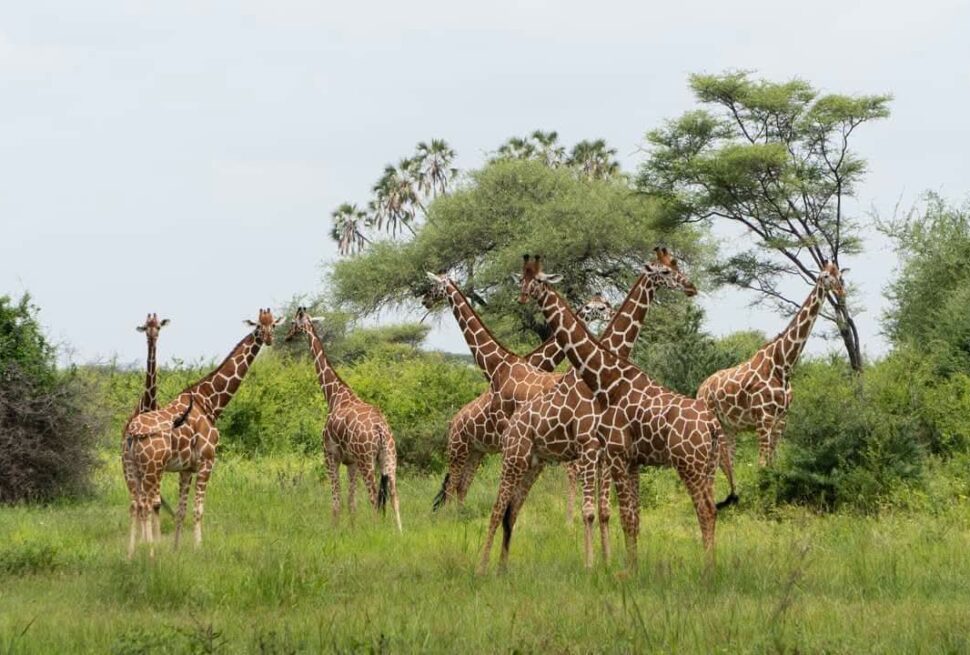
This northern river is the lifeline of the Samburu region. It is the best spot to capture the rare ‘Special Five’ species, including the Reticulated Giraffe and Grevy’s Zebra.
Caption: Freshly brewed Kenyan coffee and hot gourmet breakfast in the wilderness with Mount Kilimanjaro rising ahead. Curated by Cinematic Vacations.

Optimizing Your Gear and Strategy
Mastering your Photography safari Kenya experience requires more than just a camera body. We recommend bringing a versatile 100-400mm lens for general wildlife, a fast prime (like a 400mm f/2.8) for low-light morning shots, and a sturdy beanbag to rest your camera on the vehicle rail.
Pro-Tip: Always ensure you have a dust-cover for your camera gear. The dry savannah dust of Amboseli can be harsh on sensitive sensors and moving lens parts.
Seasonality: When to Visit
| Season | Wildlife Activity | Photography Conditions |
|---|---|---|
| July – Oct | Great Migration | Excellent light, dusty skies |
| Nov – Dec | Short Rains | Vibrant greenery, dramatic clouds |
| Jan – March | Calving Season | Incredible predator action |
For authoritative updates on park conditions, we refer to the Kenya Wildlife Service and for cross-border logistics, Tanzania National Parks.
Final Thoughts: Start Your Journey
Your dream Photography safari Kenya adventure is only a conversation away. Whether you are aiming for portfolio-grade wildlife portraits or breathtaking landscapes, we provide the tailor-made East Africa itineraries that transform a trip into a legacy.
Frequently Asked Questions
What is the best month for a Photography safari Kenya?
January through March offers incredible clarity and the calving season, while July to September is best for the Great Migration. Both are spectacular.
Do I need special permits for professional photography?
For standard tourism photography, no permits are required. However, for commercial filming, our team handles all legal clearances with local authorities.
Are luxury lodges equipped for photographers?
Yes, our curated selection of lodges includes charging stations, secure gear storage, and expert guides who understand photography positioning.
How long should my safari be for optimal results?
We recommend at least 10 to 12 days to ensure you have enough time in diverse ecosystems like Amboseli and the Maasai Mara.