
How to book a proven Amboseli Kenya safari with kids: 9 Exclusive Tips
Planning a trip centered around Kenya safari with kids is one of the most rewarding travel decisions you will ever make. From the golden plains of the Maasai Mara to the pristine shores of the Swahili Coast, East Africa delivers an unparalleled sensory encounter with nature at its wildest and most majestic.
Whether you are a seasoned safari enthusiast or preparing for your very first African expedition, this definitive guide shares insider secrets, logistical best practices, and expert recommendations to ensure your journey is seamless, safe, and unforgettable.
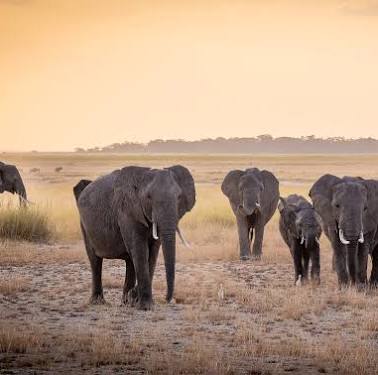
Caption: Amboseli elephant bulls roaming across acacia woodland with Mount Kilimanjaro in the backdrop. Curated by Cinematic Vacations.

Table of Contents
- 9 Essential Elements of Kenya safari with kids
- Best Time to Visit & Seasonal Wildlife Movements
- Budgeting, Conservation Fees & What to Expect
- Essential Packing Secrets for Bush & Beach
- Frequently Asked Questions
- Plan Your Custom Journey with Cinematic Vacations
9 Proven Insider Rules for Kenya safari with kids {#detailed-breakdown}
To ensure your journey exceeds all expectations, here is our definitive, expert-verified breakdown of the 9 essential elements defining Kenya safari with kids:
1. Reserve Premier Safari Camps 8 to 12 Months in Advance
Because premier conservancy camps maintain strictly limited room counts (often only 6 to 12 luxury tents), peak Great Migration and holiday dates routinely sell out nearly a year ahead.
2. Always Choose Private Conservancies over Public Park Sectors
Conservancies offer low vehicle density, nighttime predator drives, off-road tracking flexibility, and direct community revenue sharing that public park gates cannot match.
3. Insist on a Private 4×4 Land Cruiser with Unlimited Mileage Guide
Avoid shared minivan tours with rigid schedules. A private vehicle and guide give you complete freedom to linger at cheetah hunts or return to camp early when you desire.
4. Combine at Least Two Diverse Ecosystems
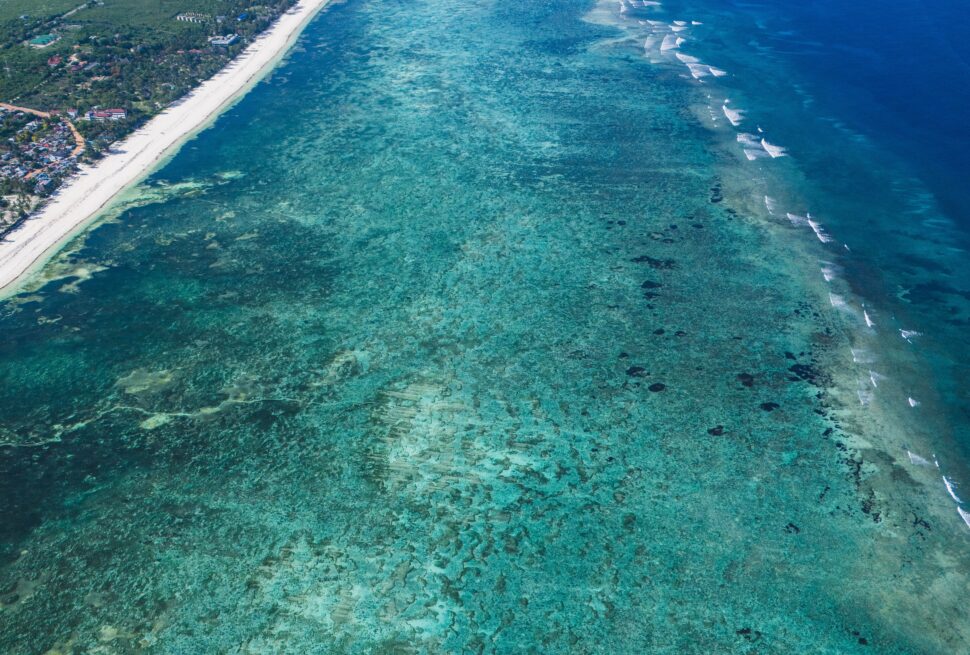
Pairing a predator-dense savannah like the Maasai Mara with elephant-rich Amboseli or the pristine white sands of Diani Beach ensures a rich, multi-dimensional East African experience.
5. Pack Lightweight Neutral Earth Tones (Khaki, Tan, Olive)
Neutral shades blend effortlessly into wilderness environments, protect against savannah heat, and avoid attracting tsetse flies that are naturally drawn to dark navy and black.
6. Invest in High-Grade 8×42 Binoculars for Every Traveler
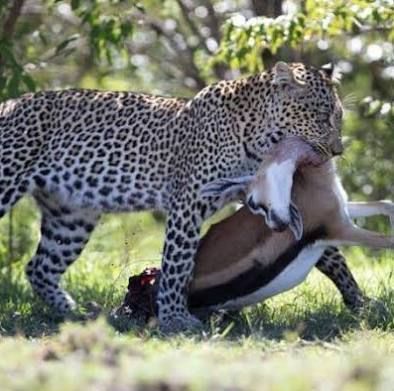
A quality pair of compact binoculars transforms wildlife viewing, allowing you to observe subtle behavioral cues, leopard facial markings, and vibrant plumage that the naked eye misses.
7. Ensure Comprehensive Bush Evacuation & Flying Doctor Insurance
Reputable operators always bundle AMREF Flying Doctors emergency bush airstrip medical evacuation into your safari itinerary for total peace of mind.
8. Plan Minimum 3 to 4 Nights per Destination Camp
Resist the urge to rush between parks every single night. Staying 3 to 4 nights in one camp builds rapport with your guide and deepens your understanding of local wildlife territories.
9. Prepare Cash Gratuities in Clean, Crisp Banknotes
Tipping your safari driver-guide, camp staff, and trackers is customary and deeply appreciated. Ensure US Dollar notes are dated 2013 or newer, as local banks decline older printings.
Caption: Original field photography from Eric Omusa Google Drive (ericomusa92@gmail.com) for Cinematic Vacations. Curated by Cinematic Vacations.

Best Time to Visit & Seasonal Wildlife Movements {#best-time}
Timing is vital when planning around Kenya safari with kids. East Africa enjoys pleasant equatorial weather year-round, but specific calendar windows offer distinct advantages:
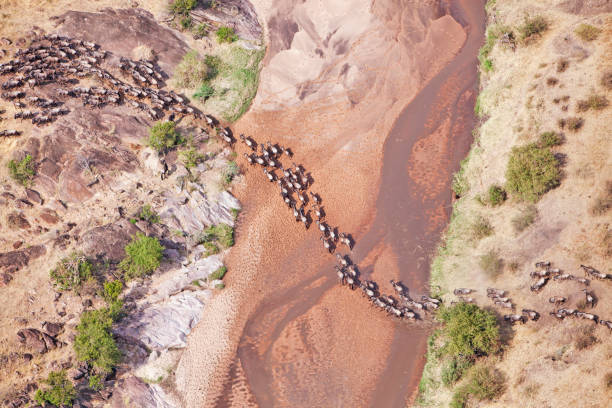
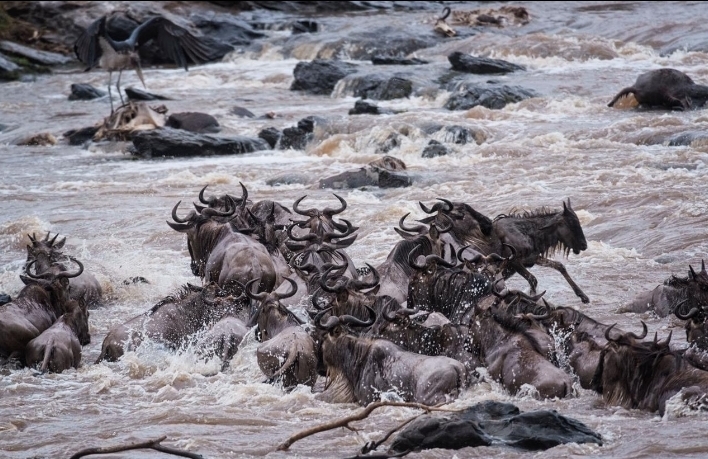
- July to October (Dry Peak Season): Prime time for river crossings during the Great Migration in Kenya’s Maasai Mara and Tanzania’s Northern Serengeti. Thin vegetation makes spotting lions, leopards, and cheetahs significantly easier.
- November to December (Short Rains & Green Season): Lush landscapes, dramatic photographic skies, fewer safari vehicles, and exceptional bird migration from Europe.
- January to March (Calving Season & Warm Seas): Spectacular predator action in the southern Serengeti plains, paired with calm, crystalline waters along the Indian Ocean coast.
Authoritative conservation tracking from Kenya Wildlife Service and Tanzania National Parks helps our guides position clients in the most active wildlife sectors.
Budgeting, Park Fees & What to Expect for Kenya safari with kids {#budget-and-fees}
Transparency in safari pricing is paramount. Safari costs generally include:
- Park Conservation Fees: Fixed daily fees that directly support anti-poaching and local community conservancies.
- Private 4×4 Land Cruiser Transfers: Customized pop-up roof vehicles equipped with charging ports, birding books, and binoculars.
- Professional Local Driver-Guides: Licensed safari naturalists whose tracking expertise transforms every drive into a masterclass.
- All-Inclusive Bush Lodging: Gourmet meals, selected wines, and guided bush walks.
| Trip Style | Average Daily Rate (USD) | What is Included | Ideal For |
|---|---|---|---|
| Comfort Safari | $450 – $650 per person | Mid-range safari lodges, private Land Cruiser, park fees | Families & first-time travelers |
| Luxury Tented Camp | $850 – $1,400 per person | Exclusive conservancy camps, unlimited game drives, open bar | Couples, wildlife photographers |
| Ultra-Bespoke Safari | $1,500+ per person | Private bush planes, top guides, private plunge pool suites | Bucket list honeymoons & VIPs |
For an itemized cost estimate tailored to your travel dates, explore our curated Cinematic Vacations Safari Packages or speak directly with one of our East Africa specialists.
Caption: Captured on a private Cinematic Vacations 4×4 game drive in the Maasai Mara. Curated by Cinematic Vacations.

Essential Packing Secrets for Bush & Beach {#packing-secrets}
Packing for an East African safari requires balancing cool dawn game drives with warm coastal sunshine:
- Neutral Colors: Khaki, olive, tan, and beige help you blend into the savannah and avoid attracting tsetse flies.
- Layering Essentials: A warm fleece or windbreaker is indispensable for open-vehicle morning game drives.
- Optics & Camera: A telephoto zoom lens (minimum 300mm) and high-quality 8×42 binoculars elevate wildlife viewing exponentially.
- Eco-Friendly Sun Care: Reef-safe sunscreen and wide-brim safari hats protect delicate coastal ecosystems.
Frequently Asked Questions {#faqs}
What makes Kenya safari with kids unique compared to other African trips?
East Africa offers the highest concentration of large mammals on Earth, complemented by seamless domestic flight connections directly between remote airstrips and coastal islands.
How far in advance should I book?
For peak migration months (July to October) and festive holiday seasons, we strongly recommend reserving your safari lodges 8 to 12 months in advance to secure premier camps and conservation permits.
Is Kenya safari with kids safe for families with young children?
Yes! Many luxury camps feature dedicated family tents, private safari vehicles, and junior ranger programs designed to introduce younger travelers to African wildlife safely.
What vaccinations or health precautions are necessary?
Consult with your local travel health clinic regarding routine vaccinations and malaria prophylaxis recommended for East African travel.
Plan Your Custom Journey with Cinematic Vacations {#plan-your-journey}
At Cinematic Vacations, we believe travel should be deeply transformative. Our experienced East African team designs customized private itineraries tailored to your unique passions, whether you dream of witnessing the river crossing, relaxing in an oceanfront villa, or tracking mountain gorillas.
Contact Cinematic Vacations today to begin crafting your bespoke African journey.