
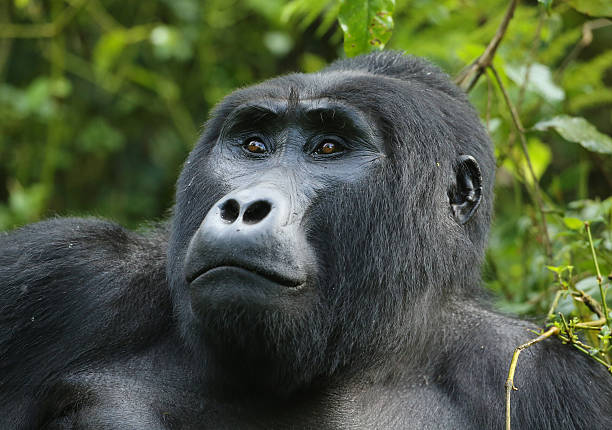
Imagine standing motionless in a misty rainforest as a 400-pound silverback gorilla ambles past just meters away, utterly unfazed by your presence. This is the magic of Uganda gorilla trekking — an experience so profound it has been called one of the last great wildlife encounters on Earth. Nestled in the ancient Bwindi Impenetrable Forest, Uganda offers travelers the rare privilege of coming face-to-face with critically endangered mountain gorillas in their natural habitat. If you’re dreaming of an adventure that combines raw wilderness, conservation impact, and unforgettable memories, this guide reveals nine reasons why Uganda gorilla trekking deserves a top spot on your bucket list.
1. Bwindi Impenetrable Forest: A UNESCO World Heritage Wonderland
Bwindi Impenetrable National Park is home to nearly half of the world’s remaining mountain gorilla population, making it the premier destination for gorilla trekking in Uganda. This 331-square-kilometer forest is one of the oldest and most biologically diverse ecosystems in Africa, dating back over 25,000 years. Its dense canopy, tangled vines, and misty ridges create the perfect habitat for gorillas — and an unforgettable backdrop for your trek.
Why Bwindi Stands Out Among African Safari Destinations
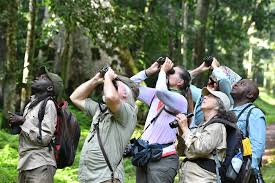
Unlike savanna safaris, Bwindi offers a completely different kind of wildlife encounter. Trekkers navigate steep, forested terrain guided by experienced rangers who track gorilla families using knowledge passed down through generations. The reward? An hour spent observing gorillas grooming, feeding, and playing just a few feet away.
2. Choosing the Right Gorilla Trekking Region in Bwindi
Bwindi is divided into four trekking sectors, each offering unique trails and habituated gorilla families.
Buhoma Sector
The most accessible and popular region, Buhoma offers well-established trails and comfortable lodges, making it ideal for first-time trekkers.
Ruhija Sector
Known for high-altitude trekking and stunning views, Ruhija is home to several gorilla families and is less crowded than Buhoma.
Rushaga and Nkuringo Sectors
Located in the south, these sectors offer more challenging treks but reward visitors with the exclusive Gorilla Habituation Experience, allowing extended time with semi-habituated gorilla groups.
3. Securing Your Uganda Gorilla Trekking Permit
Gorilla trekking permits are strictly limited to protect the gorillas and their habitat. Currently priced at $800 per person for foreign non-residents, permits grant you one hour with a gorilla family after a guided trek.
- Permits should be booked 4-6 months in advance, especially for peak season (June-September and December-February)
- Only 8 permits are issued per gorilla family per day
- Children under 15 are not permitted to trek
- Permits are non-refundable, so travel insurance is highly recommended
How Cinematic Vacations Simplifies the Process
Our team handles permit reservations, park fees, and logistics so you can focus on the adventure. We also recommend pairing your trek with a Uganda wildlife safari in Queen Elizabeth National Park for a complete East Africa experience.
4. What a Day of Gorilla Trekking Actually Looks Like
Your trekking day begins early with a briefing at the park headquarters around 7:00 AM. Rangers assign trekking groups based on fitness level and gorilla family location. Treks can last anywhere from 30 minutes to 6 hours depending on where the gorillas are feeding that day.
The Golden Hour With the Gorillas
Once located, you’re allowed exactly 60 minutes with the gorilla family — a fleeting but life-changing experience. Watching a silverback assert dominance or juveniles tumble playfully through the underbrush is unlike anything else in the natural world.
5. Physical Preparation for Uganda Gorilla Trekking
Trekking through Bwindi’s dense, hilly terrain requires reasonable fitness. Trails can be muddy, steep, and unpredictable.
Fitness Tips for Trekkers
- Start light cardio training 4-6 weeks before your trip
- Practice hiking on uneven terrain if possible
- Consider hiring a porter (highly recommended) to carry your daypack and assist on slippery slopes
6. Packing Essentials for Your Gorilla Trek
Proper gear can make or break your trekking experience in Bwindi’s unpredictable climate.
Must-Have Packing List
- Waterproof hiking boots with ankle support
- Long-sleeved moisture-wicking shirts and trousers (for protection against nettles and insects)
- Gardening gloves for gripping vegetation
- Rain jacket, even in dry season
- Insect repellent and sunscreen
- A daypack with water, snacks, and a camera with extra batteries
7. Best Time for Uganda Gorilla Trekking
Uganda’s gorilla trekking is possible year-round, but timing affects trail conditions and crowd levels.
Dry Seasons (June-September & December-February)
These months offer easier trekking conditions with less mud and are the most popular times to visit.
Wet Seasons (March-May & October-November)
Fewer tourists and lush, vibrant scenery make this a rewarding option for adventurous travelers, though trails can be more challenging.
8. Beyond Gorillas: Combining Bwindi With Other Uganda Experiences
Uganda’s gorilla trekking pairs beautifully with other iconic experiences.
Golden Monkey Tracking in Mgahinga
A lighter, equally magical primate encounter in the nearby Virunga foothills.
Chimpanzee Tracking in Kibale Forest
Home to the highest concentration of primates in Africa, Kibale offers an incredible chimp trekking experience to complement your gorilla safari.
Queen Elizabeth National Park Safari
Combine your primate trek with tree-climbing lions, hippo-filled channels, and classic African savanna wildlife.
9. Responsible and Sustainable Gorilla Tourism
Gorilla trekking directly funds conservation and supports local communities surrounding Bwindi. A portion of every permit fee goes toward anti-poaching efforts, habitat protection, and community development projects.
How Travelers Can Contribute
- Choose eco-conscious lodges that employ local staff
- Purchase crafts from community cooperatives near the park
- Follow all ranger guidelines to minimize impact on gorilla families
Frequently Asked Questions
How much does Uganda gorilla trekking cost?
Gorilla permits cost $800 per person for foreign non-residents, not including park fees, accommodation, or transport.
How fit do I need to be for gorilla trekking?
Moderate fitness is recommended. Treks can range from 30 minutes to several hours over hilly, muddy terrain, but porters are available to assist.
Is Uganda gorilla trekking safe?
Yes. Treks are led by experienced armed rangers, and Bwindi has an excellent safety record for tourists.
What is the difference between gorilla trekking and gorilla habituation?
Standard trekking allows one hour with a fully habituated gorilla family, while the habituation experience offers up to four hours with a semi-habituated group at a higher permit cost.
When should I book my Uganda gorilla trekking permit?
We recommend booking 4-6 months in advance, especially during peak seasons, as permits are limited and sell out quickly.
Ready to Experience the Magic of Uganda Gorilla Trekking?
There’s nothing quite like locking eyes with a wild mountain gorilla in the depths of Bwindi Impenetrable Forest. At Cinematic Vacations, we craft seamless, luxury gorilla trekking safaris that take care of every detail — from permit bookings to premium lodges and expert guides. Let us help you turn this once-in-a-lifetime adventure into reality. Contact Cinematic Vacations today to start planning your unforgettable Uganda gorilla trekking safari.