
Table of Contents
- Introduction
- Why Photography & Filmmaking Safaris Master Masterpiece Shots
- Top Cinematic Destinations in East Africa
- 6 Advanced Strategies for Masterpiece Shots
- Wildlife Tracking and Predator Behavior
- Cultural Heritage and Coastal Landscapes
- Best Time to Capture Perfect Lighting
- Suggested Itinerary Overview
- Luxury Lodges and Production Support
- Essential Gear Packing Guide
- Frequently Asked Questions
- Book Your Safari
1. Introduction
Embarking on professional Photography & Filmmaking Safaris gives visual creators the rare opportunity to capture untamed wilderness with unmatched clarity, drama, and artistic depth. Whether you are an experienced documentary filmmaker, a passionate wildlife photographer, or an aspiring content creator, East Africa offers some of the most visually stunning backdrops on the planet. From golden savannah light breaking over the Maasai Mara to towering elephants framed by Mount Kilimanjaro, Photography & Filmmaking Safaris transform ordinary travel moments into cinematic masterpieces. Cinematic Vacations designs bespoke itineraries specifically tailored to the unique scheduling, lighting, and equipment requirements of serious visual storytellers.
2. Why Photography & Filmmaking Safaris Master Masterpiece Shots
Standard holiday game drives are typically built around quick sightings and fast-moving tourist groups. In contrast, dedicated Photography & Filmmaking Safaris prioritize positioning, patience, and optimal lighting angles.
What Sets Photography & Filmmaking Safaris Apart
- Extended Sighting Times: Instead of rushing away after five minutes, specialized itineraries allow you to linger for hours, observing subtle behavioral nuances and predator interactions.
- Specialized Vehicle Configurations: Customized 4×4 Land Cruisers feature beanbags, drop-down camera mounts, 360-degree swivel seats, and ample storage for sensitive lenses.
- Expert Field Guidance: Professional naturalist guides understand animal behavior and wind direction, anticipating action before it happens so you never miss a critical frame.
According to insights published by SafariBookings, having dedicated time in prime wildlife zones exponentially increases your success rate for capturing award-winning behavioral shots. Furthermore, organizations like Magical Kenya emphasize that respectful, low-impact positioning ensures animals remain completely relaxed in their natural habitat.
3. Top Cinematic Destinations in East Africa
Every premier Kenya photography itinerary integrates diverse ecosystems that test and elevate your technical skills.
- The Maasai Mara: Renowned for vast open plains, dramatic river crossings, and dense populations of lions, leopards, and cheetahs.
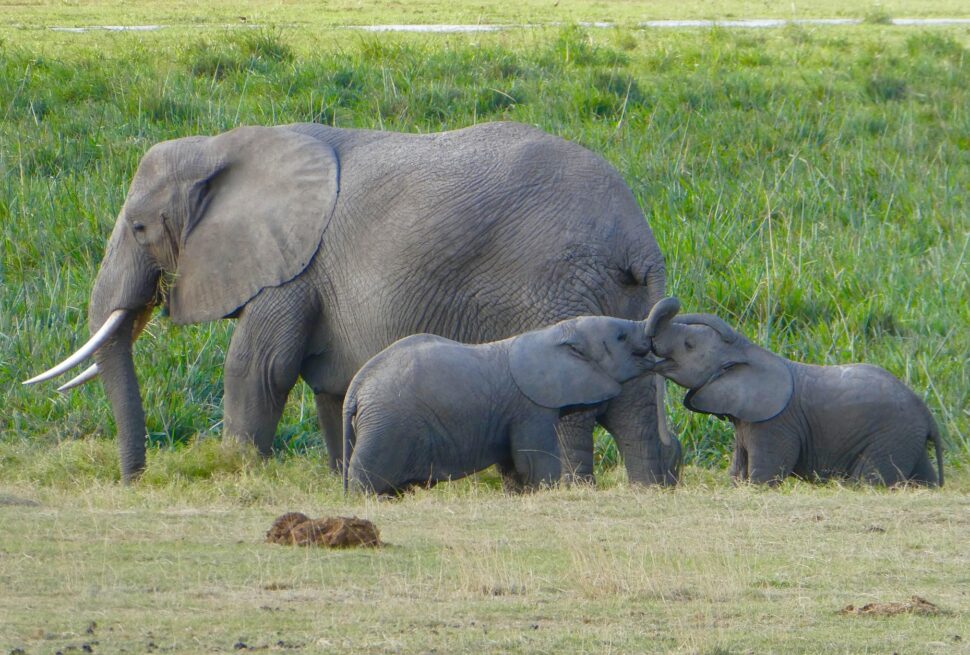
- Amboseli National Park: Famous for large elephant herds traversing alkaline dust flats beneath the snow-capped summit of Kilimanjaro.
- Diani Beach: Provides breathtaking coastal textures, turquoise waters, and vibrant marine life for dynamic tropical B-roll.
Explore how unique geography shapes your visual portfolio through the Amboseli National Park guide, detailing how mountain meltwaters sustain rich megafauna populations year-round.
ALT: Photography & Filmmaking Safaris in the Maasai Mara
4. 6 Advanced Strategies for Masterpiece Shots
Mastering visual storytelling in the wild requires more than high-end equipment; it demands a disciplined artistic approach. Here are six advanced techniques integrated into specialized Photography & Filmmaking Safaris:
- Leveraging Golden Hour Illumination: Plan your Guided Game Drives around the first and last hours of daylight to capture warm, directional side-lighting and rich shadow contrast.
- Utilizing Low-Angle Perspectives: Position your camera low to the ground to establish intimacy, making your viewer feel as though they are walking right alongside the wildlife.
- Mastering Negative Space: Use expansive savannah skies and distant horizon lines to isolate your subject and convey the immense scale of the African wilderness.
- Incorporating Aerial Perspective: Elevate your storytelling by coordinating a specialized Hot Air Balloon Safari to capture sweeping geometric patterns of migrating herds from above.
- Focusing on Behavioral Storytelling: Move beyond static portraits by anticipating animal interactions, such as territorial greetings, playful cub antics, and hunting preparation.
- Integrating Authentic Human Elements: Pair your wildlife portfolio with respectful Cultural Experiences that capture authentic human emotion, traditional attire, and ancient heritage.
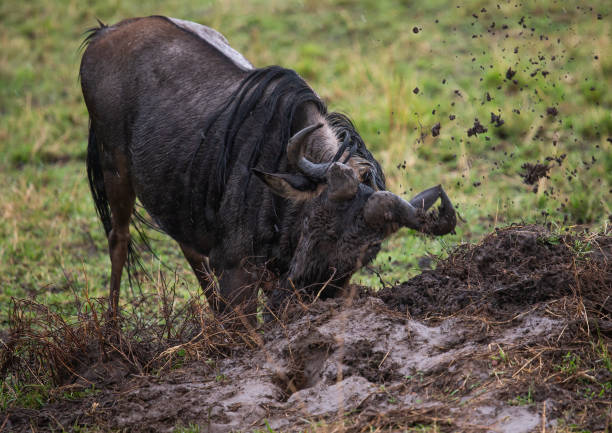
ALT: Wildlife photography in Amboseli National Park
Watch this professional wildlife filmmaking masterclass overview: [Embed Video: Professional Wildlife Filmmaking Masterclass in Kenya]
5. Wildlife Tracking and Predator Behavior
Capturing high-action sequences requires deep familiarity with predator habits. During your expedition, your guide will interpret alarm calls, track fresh spoor, and anticipate movement patterns across riverbanks and acacia thickets. Whether you are filming a leopard hoisting its kill into a fever tree or photographing cheetahs scanning the plains from a termite mound, patience is your greatest asset.
6. Cultural Heritage and Coastal Landscapes
A comprehensive visual portfolio benefits immensely from diverse subject matter. Transitioning from inland wilderness to coastal environments opens up vibrant new creative avenues. Document traditional Swahili architecture, dhow builders crafting wooden vessels by hand, and local fishermen hauling morning catches onto sun-drenched shores. Afterward, unwind with dedicated Beach Relaxation along the pristine sands of Diani Beach, where gentle tides and palm fronds create serene landscape compositions.
ALT: Cinematic drone and video production on safari
7. Best Time to Capture Perfect Lighting
Timing your journey ensures you encounter optimal weather and dramatic natural events.
- Dry Seasons (July to October & January to February): Delivers clear blue skies, minimal vegetation interference, and intense predator activity around shrinking water sources.
- Green Seasons (November & March to May): Offers dramatic storm clouds, striking lightning photography opportunities, newborn wildlife, and lush emerald landscapes with zero tourist congestion.
As noted in heritage guidelines maintained by UNESCO, protecting these pristine ecosystems ensures future generations of visual artists will continue to find inspiration across East Africa. Furthermore, collaborating with regional experts like Visit Uganda allows multi-destination creators to expand their documentary scope across diverse rainforests and mountain habitats.
8. Suggested Itinerary Overview
Balancing intense field sessions with downtime for battery recharging and media backup is vital. While you can review comprehensive templates like the 10 Day Kenya Cinematic Safari Adventure, an ideal route for Photography & Filmmaking Safaris follows this structure:
- Day 1: Arrival in Nairobi, equipment check, and creative briefing.
- Day 2–4: Transfer to Amboseli for iconic elephant and mountain landscape framing.
- Day 5–8: Fly into the Maasai Mara for intensive big cat tracking and golden hour videography.
- Day 9–10: Transfer to the Kenyan coast for marine and cultural lifestyle content creation.
- Day 11: Final sunrise shoot, data backup review, and international departure.
ALT: Professional camera gear setup on a 4×4 safari vehicle
9. Luxury Lodges and Production Support
Working in remote environments requires reliable infrastructure. Luxury tented camps tailored for visual creators provide robust solar charging stations, dust-free equipment storage rooms, spacious editing desks, and private dining schedules that align perfectly with early morning and late evening shooting windows. Staying at these specialized properties guarantees your creative workflow remains uninterrupted.
10. Essential Gear Packing Guide
Packing efficiently for Photography & Filmmaking Safaris ensures you remain mobile while keeping your sensitive optics protected:
- Camera Bodies & Lenses: Pack weather-sealed camera bodies paired with versatile glass, ranging from 24-70mm wide zooms to 100-400mm or 500mm telephotos.
- Support Gear: A sturdy monopod, beanbags for vehicle window sills, and a lightweight carbon fiber tripod for low-light landscape and astrophotography.
- Media & Power: High-speed memory cards, multiple spare batteries, portable solid-state hard drives for redundant backups, and universal charging adapters.
- Protection: Dust covers, rain covers, and a soft-bristled brush or air blower to manage fine savannah dust.
11. Frequently Asked Questions
Are private vehicles guaranteed on Photography & Filmmaking Safaris?
Yes, exclusive vehicle hire ensures you control your seating position, equipment layout, and scheduling without compromising with other travelers.
What are the weight limits for internal bush flights?
Light aircraft transfers typically enforce a 15 kg (33 lbs) luggage limit, so packing your camera gear in a dedicated, carry-on-compliant backpack is strongly recommended.
Do I need special permits for drone filming in Kenya?
Yes, commercial drone operations and media production require specific local licensing and approvals, which Cinematic Vacations assists in coordinating prior to your arrival.
Ready to experience Africa like never before? Contact Cinematic Vacations today to create your tailor-made safari, wildlife adventure, or beach holiday across Kenya, Tanzania, Uganda, and beyond. Our travel experts will help you plan an unforgettable journey featuring specialized Photography & Filmmaking Safaris designed just for you.