
Mount Kenya Trekking offers one of East Africa’s most rewarding high-altitude adventures, combining dramatic peaks, diverse ecosystems, and far fewer crowds than its famous neighbor. Rising to 5,199 meters as Africa’s second-highest mountain, this UNESCO World Heritage Site delivers unforgettable views, alpine lakes, and a genuine sense of achievement for fit trekkers aiming for Point Lenana at 4,985 meters.
At Cinematic Vacations, we design tailored Mount Kenya Trekking experiences that pair seamlessly with Kenya safari adventures for a complete East African journey.
Table of Contents
- Introduction to Mount Kenya Trekking
- Why Mount Kenya Trekking Stands Out
- Reach Africa’s Second-Highest Peak
- Far Fewer Crowds Than Kilimanjaro
- Spectacular Scenic Diversity
- Wildlife Encounters on the Trails
- UNESCO World Heritage Status
- Perfect Safari and Trek Combination
- Manageable Difficulty for Fit Trekkers
- Stunning Alpine Lakes and Gorges
- Cultural and Spiritual Significance
- High Success Rate in Just 4–6 Days
- Best Routes for Mount Kenya Trekking
- Best Time for Mount Kenya Trekking
- Suggested Itineraries
- Travel Tips and Packing Guide
- Accommodation Recommendations
- Frequently Asked Questions
- Book Your Mount Kenya Trekking Adventure
Why Mount Kenya Trekking Stands Out
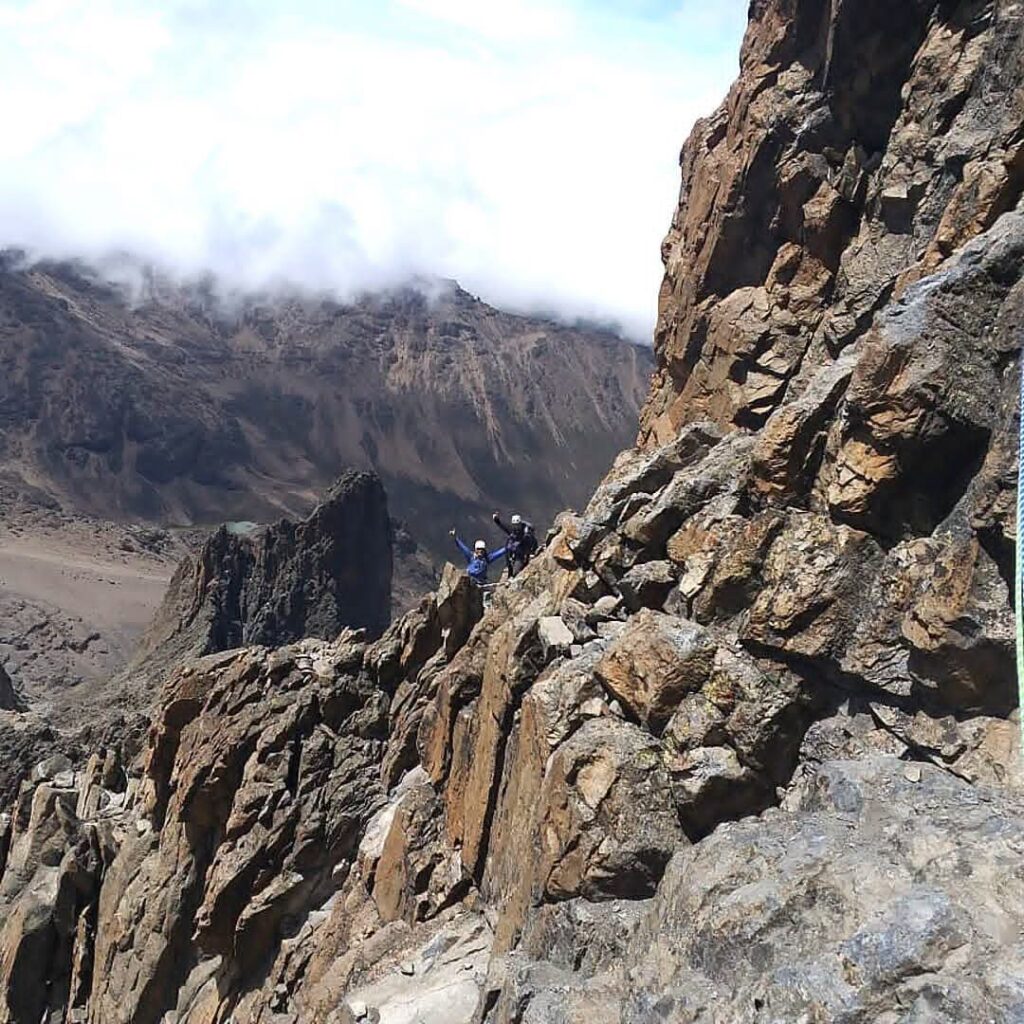
Mount Kenya Trekking stands apart because it delivers true mountain drama without the extreme altitude of higher peaks. Most trekkers target Point Lenana, a non-technical summit that still demands solid fitness and proper acclimatization. The mountain’s five distinct vegetation zones—from montane forest to alpine desert—create constantly changing scenery that feels cinematic at every turn.
Image placeholder 1 (Hero)
ALT: Mount Kenya Trekking – dramatic peaks and alpine landscape at sunrise
1. Reach Africa’s Second-Highest Peak
Standing on Point Lenana at 4,985 meters ranks among the most powerful reasons to try Mount Kenya Trekking. While Batian and Nelion require technical climbing skills, Point Lenana is accessible to determined hikers. The pre-dawn summit push rewards you with panoramic views across the Kenyan highlands when the weather cooperates.
2. Far Fewer Crowds Than Kilimanjaro
One of the strongest advantages of Mount Kenya Trekking is the relative solitude. The mountain attracts far fewer climbers than Kilimanjaro, allowing you to enjoy peaceful trails, quieter camps, and a more intimate connection with the landscape. This makes the experience feel exclusive and personal.
3. Spectacular Scenic Diversity
Mount Kenya Trekking takes you through dramatic vegetation zones in just a few days. You move from dense bamboo and cedar forests into heather moorlands, then into rocky alpine zones dotted with giant groundsel and lobelia. The constantly shifting scenery keeps every day exciting.
Image placeholder 2
ALT: Vegetation zones along Mount Kenya Trekking trails
4. Wildlife Encounters on the Trails
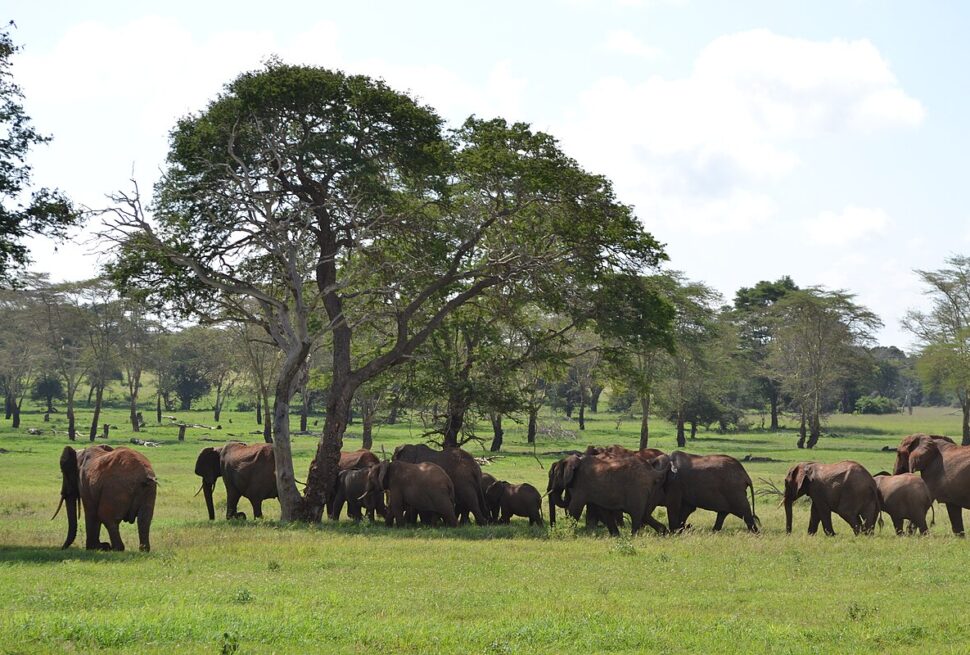
Unlike many high mountains, the lower slopes of Mount Kenya offer genuine wildlife viewing. Buffalo, colobus monkeys, bushbuck, elephants, and rich birdlife appear regularly on the Sirimon and Chogoria approaches. Mount Kenya Trekking therefore blends mountain adventure with elements of a walking safari.
Explore our Walking Safaris for related experiences.
Watch this Mount Kenya landscape and wildlife reel:
[Embed Cinematic Vacations YouTube or TikTok video of Mount Kenya scenery]
5. UNESCO World Heritage Status
Mount Kenya National Park and its surrounding forests form a UNESCO World Heritage Site recognized for outstanding natural beauty and ecological importance. Knowing you are trekking through a globally protected landscape adds depth and meaning to every step of Mount Kenya Trekking.
Official details are available at the UNESCO World Heritage Centre.
6. Perfect Safari and Trek Combination
Mount Kenya Trekking pairs beautifully with classic Kenya safari destinations. After summiting, many travelers continue to nearby Ol Pejeta Conservancy, Samburu, or the Maasai Mara. This combination creates a balanced itinerary of mountain challenge and wildlife immersion.
Discover options through our Ol Pejeta Conservancy and 10 Day Kenya Cinematic Safari Adventure packages.
Image placeholder 3
ALT: Combining Mount Kenya Trekking with nearby safari destinations
7. Manageable Difficulty for Fit Trekkers
Mount Kenya Trekking is moderate to challenging rather than extreme. With proper pacing, good guides, and a 4–6 day itinerary that prioritizes acclimatization, most fit hikers reach Point Lenana successfully. The “pole pole” (slowly slowly) approach remains the golden rule.
8. Stunning Alpine Lakes and Gorges
The Chogoria route especially showcases pristine high-altitude lakes such as Lake Michaelson and Lake Ellis, plus the dramatic Gorges Valley. These features make Mount Kenya Trekking exceptionally photogenic and memorable.
Image placeholder 4
ALT: Alpine lake views during Mount Kenya Trekking
9. Cultural and Spiritual Significance
Local Kikuyu communities regard Mount Kenya as sacred—the traditional home of Ngai, the creator. Learning about this cultural connection during Mount Kenya Trekking adds a meaningful layer beyond pure physical achievement.
10. High Success Rate in Just 4–6 Days
Most successful Mount Kenya Trekking itineraries take 4–6 days, offering a realistic timeframe for travelers combining the climb with safari. Success rates for Point Lenana are generally strong when itineraries include proper acclimatization days.
Image placeholder 5
ALT: Summit celebration after successful Mount Kenya Trekking
Best Routes for Mount Kenya Trekking
The three main routes are:
- Sirimon Route – Gradual ascent, excellent acclimatization, ideal for most first-timers.
- Chogoria Route – Most scenic, with lakes, waterfalls, and gorges; perfect for descent.
- Naro Moru Route – Shortest and steepest; best for experienced hikers short on time.
Many operators recommend ascending via Sirimon and descending via Chogoria for the best overall experience.
Best Time for Mount Kenya Trekking
The ideal windows for Mount Kenya Trekking are the dry seasons:
- January to March
- July to October
These periods offer clearer skies, drier trails, and better summit visibility. Avoid the long rains (April–June) and short rains when possible.
Seasonal advice is also available via Magical Kenya.
Suggested Itineraries
4–5 Day Classic: Sirimon ascent with possible Chogoria descent.
5–6 Day Full Experience: Includes an extra acclimatization day at Shipton’s Camp.
Combined Adventure: 3–5 days of Mount Kenya Trekking followed by 4–7 days of safari in Ol Pejeta, Samburu, or the Maasai Mara.
See our Guided Game Drives and longer safari packages for seamless extensions.
Watch a full Mount Kenya Trekking highlight video:
[Embed Cinematic Vacations Instagram Reel or YouTube Short of the trek]
Travel Tips and Packing Guide
- Choose a reputable operator with experienced mountain guides.
- Prioritize itineraries with at least one acclimatization day.
- Pack layers for cold summit nights (temperatures can drop well below freezing).
- Essential items: sturdy hiking boots, warm sleeping bag, headlamp, trekking poles, sunscreen, and personal first-aid kit.
- Stay hydrated and inform your guide of any altitude symptoms immediately.
Image placeholder 6
ALT: Trekkers preparing for Mount Kenya Trekking summit day
Accommodation Recommendations
Lower elevations offer forest lodges and bandas. Higher up, expect mountain huts or camping. Quality operators provide tents, sleeping mats, and cooks for full-board service on the mountain. Pre- and post-trek stays in Nanyuki or nearby conservancies add comfort.
Frequently Asked Questions
Is Mount Kenya Trekking harder than Kilimanjaro?
Point Lenana is generally considered comparable or slightly less demanding in altitude terms, though some sections involve steeper terrain and light scrambling. Success rates are often higher with good acclimatization.
Do I need technical climbing experience?
No for Point Lenana. Technical skills and ropes are required only for Batian and Nelion.
How fit do I need to be for Mount Kenya Trekking?
Good cardiovascular fitness and prior multi-day hiking experience are strongly recommended.
Can Mount Kenya Trekking be combined with a safari?
Yes—this is one of the most popular ways to experience Kenya. Many travelers trek first, then head to the plains.
What is the best route for beginners?
The Sirimon Route (often combined with a Chogoria descent) offers the best acclimatization profile.
Book Your Mount Kenya Trekking Adventure
Ready to experience these 10 powerful reasons for yourself? Mount Kenya Trekking delivers raw beauty, personal challenge, and unforgettable views that stay with you long after you descend.
Contact Cinematic Vacations today to design your perfect itinerary. Whether you want a focused mountain adventure or a seamless combination with Kenya’s finest safari destinations, our experts will craft a journey tailored to your fitness, schedule, and dreams.
Plan My Adventure or Request a Quote now and start your ascent toward one of Africa’s most spectacular peaks.
Additional resources: SafariBookings for independent reviews and the official Kenya Wildlife Service pages for park information.